


By Anthony
Kindly share:
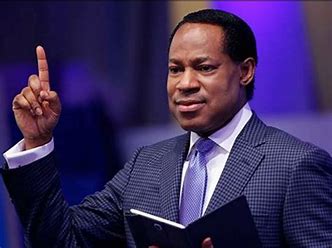
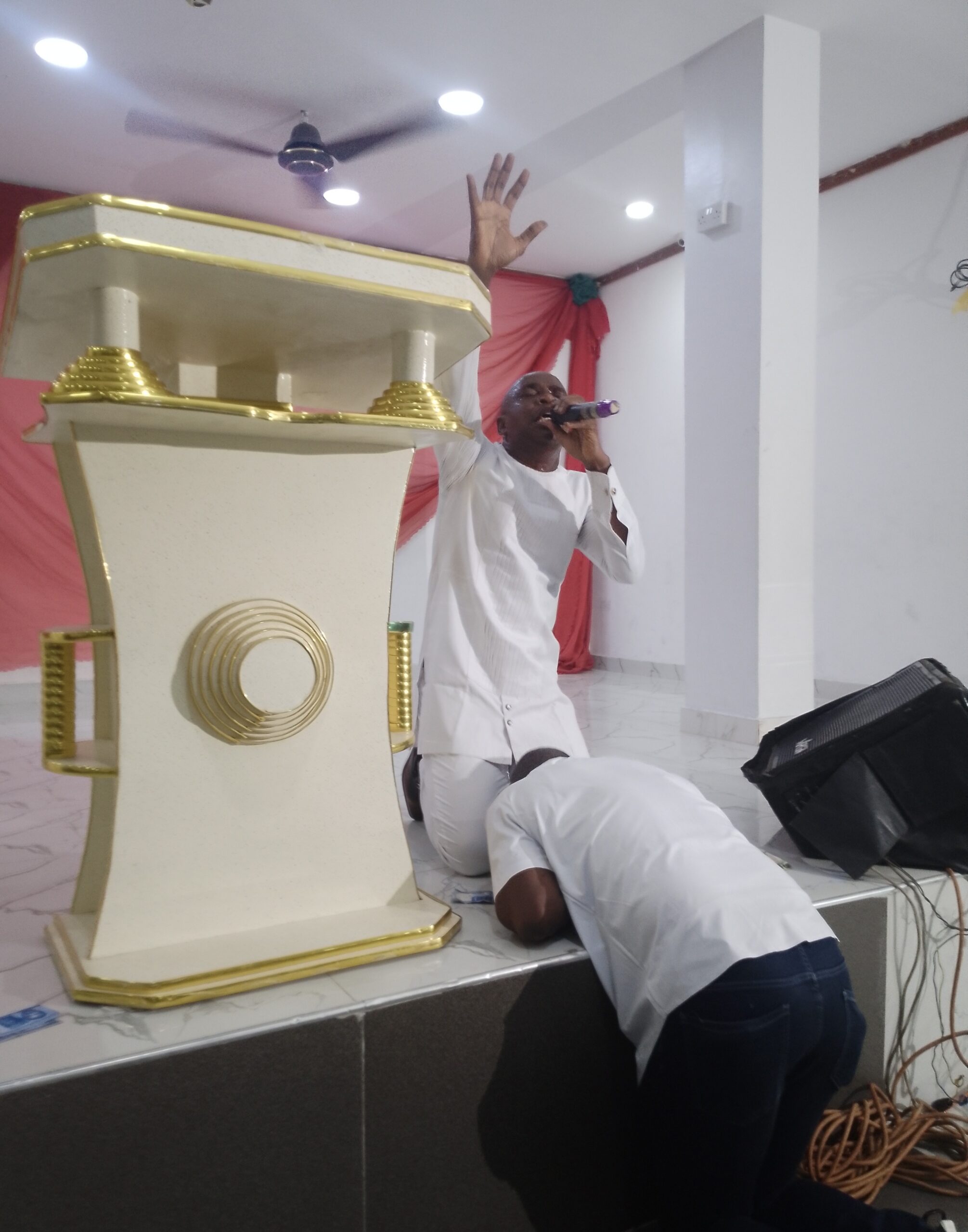
Sunday service at Acts of Restoration and Compassion Church opened with a stirring call to self-examination as congregants gathered under the leadership of Rev. Paul Chikwem.
In an atmosphere marked by solemn reflection and spiritual urgency, the introductory charge set the tone for the day’s worship, urging attendees to look beyond routine attendance and confront the true reasons behind their faith journey.
Anchored on John 6, the message drew from the biblical account of the multitudes who followed Jesus for miracles and material benefits, contrasting them with the disciples who remained committed even when the teachings became difficult. The congregation was challenged to consider a central question: whether their devotion is driven by what they stand to gain or by a genuine commitment to God.
Observers noted that the tone of the service reflected a broader call within the Christian community for sincerity and spiritual maturity, as opposed to superficial expressions of faith. The opening exhortation stressed that while crowds often gather in moments of abundance, only those rooted in truth endure when circumstances change.

As the service progressed, the message deepened into a clear theme: follow for who, not for what.
Drawing further from John 6, worshippers were reminded that not everyone who follows truly believes. Many are drawn by miracles, provision, and visible benefits, but when confronted with deeper truths, their commitment falters. The lesson was direct: not everyone following you is committed to you; some are committed only to what they can gain. When the benefits fade, so does their presence.
A distinction was made between the crowd and true disciples. While the multitudes pursue comfort and gain, disciples are anchored on truth, identity, and conviction. Their loyalty is not tied to what they receive but to who Christ is. The implication was clear: when loyalty is built on benefits, departure is inevitable.
The teaching also drew a parallel from the journey of Elijah and Elisha, highlighting what was described as the “Elisha mentality”.
The journey of Elijah and Elisha is a powerful parallel. Elijah tried multiple times to stop Elisha, at Gilgal, Bethel, Jericho, but Elisha refused. He understood something deeper: There was a mantle ahead. Even at the point of discomfort, discouragement, or testing, he stayed. Worshippers were urged to remain steadfast, regardless of pressure, discouragement, or perceived rejection, until they receive what God has ordained.
Addressing the realities of church life, Rev. Chikwem cautioned against allowing human imperfections to derail spiritual pursuit. Leaders and members, he noted, are human and capable of error, but the believer’s journey must remain anchored on God rather than on people. The warning was firm: do not quit God because of people.
Further emphasis was placed on spiritual perseverance, using symbolic stages such as Gilgal, Bethel, Jericho, and Jordan to illustrate the believer’s journey. Many, it was said, begin but do not finish, stopping at comfort, routine, or proximity to breakthrough. Only those who press through to the end encounter transformation.
The congregation was also urged to be discerning in relationships. While one may walk with many, one must sit with few. Jesus, the Servant of God noted, walked with multitudes but reserved deeper engagement for His disciples. The call was for intentional association, prioritising spaces of growth, learning, and impartation over mere activity.
The message further underscored that divine questions are often tests rather than requests for information. Referencing biblical moments, involving Ezekiel and the dry bones and Isaac asking about the lamb for sacrifice, worshippers were reminded that God uses situations and challenges to reveal the depth of their trust, He is not seeking information. He is revealing your level of trust.

In closing, emphasis was placed on spiritual perception, noting that when the chariot of fire appeared, only Elisha saw and received the mantle. The point was clear: divine opportunities are not merely present; they must be discerned.
The service concluded with a series of reflective truths: do not mistake crowds for loyalty, activity for growth, or miracles for maturity. Outside God, the message stressed, life is empty, and outside Christ, direction is uncertain.
As the congregation dispersed, the central charge remained unmistakable: many may gather, but only a few will truly receive.