
By Anthony
Kindly share:
Trouble does not knock before entering. It does not respect achievements, consult calendars or wait until its victims are adequately prepared. Sometimes, it arrives like an invading army, surrounds everything they hold dear, cuts off their sources of supply and leaves them wondering where help will come from. When life comes under a siege, human strength can fail, familiar solutions become ineffective, and even those willing to help may find their hands tied.
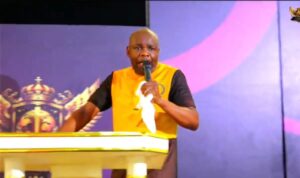
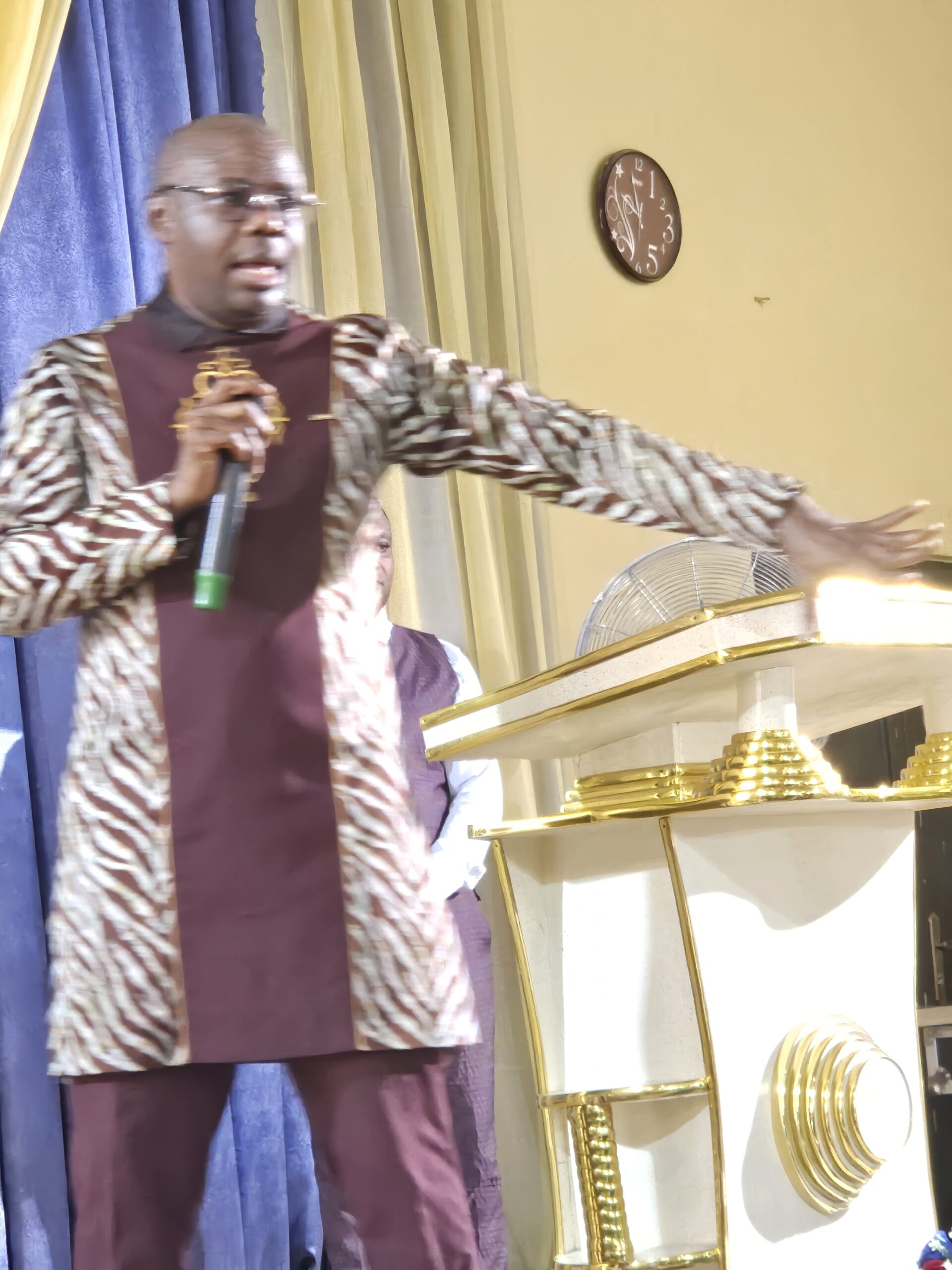
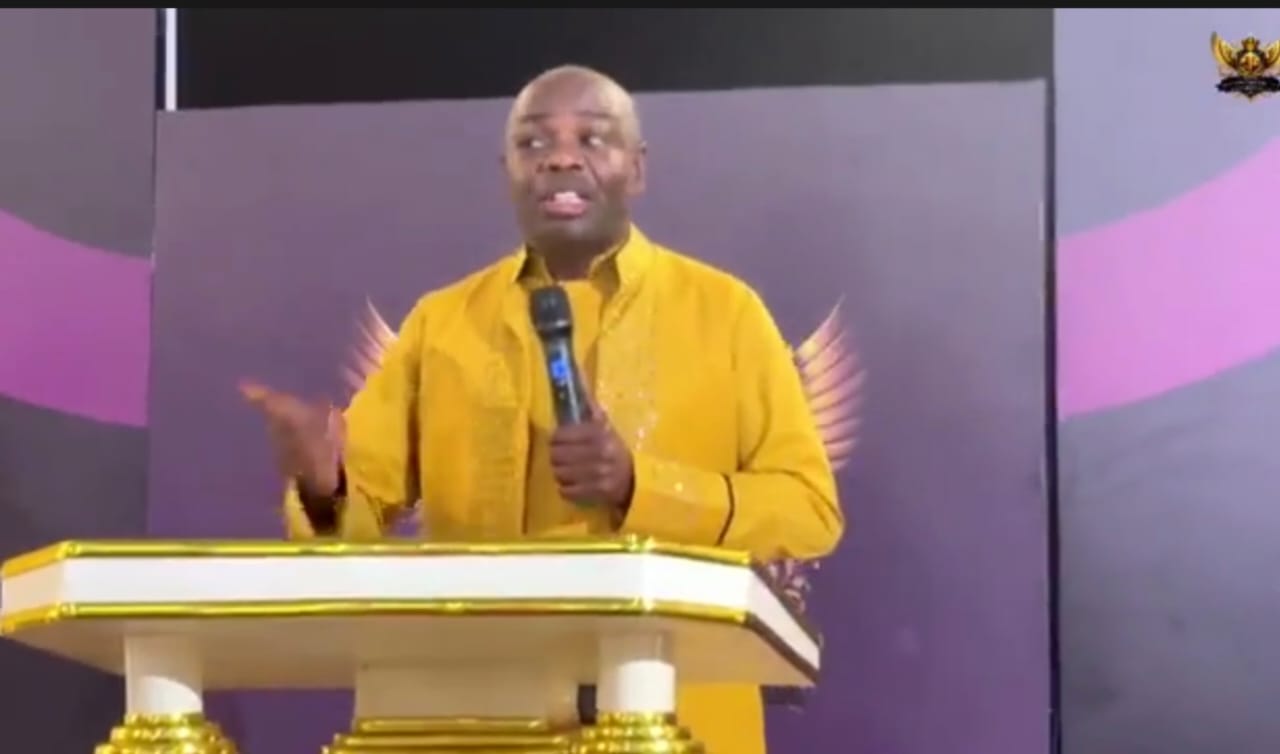
It was against this sobering reality that Rev. Paul Chikwem, Head Pastor of Acts of Restoration and Compassion Church, delivered a spiritually challenging message on Sunday, October 11, 2026, drawing from biblical accounts of unexpected adversity, divine intervention and unconventional strategies for overcoming life’s battles.
His message was clear: trouble may be inevitable, but believers must cultivate the spiritual authority, discernment and wisdom to confront it.
Drawing from the siege of Samaria in 2 Kings 6, Rev. Chikwem recalled how Ben-hadad, king of Aram, besieged the city, triggering a devastating famine. The suffering became so severe that a woman appealed to the king of Israel for help. The king’s response exposed the limitations of human authority, questioning how he could help if the Lord Himself did not intervene.
The pastor observed that Samaria had not prayed for the siege, yet it came. Trouble, he explained, does not always result from a person’s failure to prepare or pray. Sometimes, circumstances arise unexpectedly, making spiritual preparedness essential.
He also challenged the tendency to judge God’s response by whether He grants a particular request in precisely the way it was made.
People sometimes scorn prayer because they ask God for a car, for instance, but receive another means of movement. They become disappointed because the answer does not match their expectations, without considering that the car they desire might expose them to danger.
The lesson, he suggested, is that God’s provision may take a different form from what people expect. Faith requires trusting His wisdom even when the answer does not resemble the original request.
Rev. Chikwem described a siege as anything that restricts movement, progress or the ability to function normally.
Sickness can restrict movement. Lack of money can restrict movement. A family can be under siege when persistent difficulties cripple its peace, finances and relationships. Whenever a person experiences a restriction that prevents normal progress, he urged believers to examine the situation carefully and seek God’s direction.
The preacher then highlighted a remarkable feature of the Samaria account: the prophet Elisha, guided by the Spirit of the Lord, repeatedly frustrated the plans of the Aramean king by warning Israel about impending attacks. Ben-hadad’s military strategies were repeatedly undermined, leaving him confused.
When the king discovered that a prophet in Israel was exposing his plans, he changed his strategy and sought to capture Elisha.
Rev. Chikwem used the account to illustrate the power of spiritual discernment, declaring that enemies may devise plans, but their intentions need not succeed.
He challenged believers to grow in spiritual maturity to the point where their presence, prayers and influence become consequential even without public declarations.
He described this as attaining a level of spiritual authority where a person’s influence speaks for itself.
“You can be the stronghold of your family,” he emphasised, encouraging Christians to become dependable sources of spiritual strength for their households rather than passive participants in religious activities.
He cautioned that Christianity must go beyond speaking in tongues, clapping hands and attending church services. Genuine faith requires commitment, discipline, righteous living and a deliberate decision to serve God.
To illustrate the power of spiritual authority, he referred to the account of the demon-possessed man in the region of the Gadarenes, recorded in Mark 5:1–20. The man could not be restrained by ordinary means, yet when he encountered Jesus, the spiritual forces tormenting him recognised Christ’s authority.
Rev. Chikwem challenged worshippers with a searching question: “What do people see when they see you?”
He urged them to become Christians whose lives reflect the character and authority of Christ, making a meaningful difference in their families and communities.
The sermon also drew lessons from David’s confrontation with Goliath in 1 Samuel 17. Goliath expected a conventional battle, but David refused to fight according to his opponent’s preferred method. He rejected the familiar armour and approached the encounter with a sling, stones and confidence in God.
David’s strategy confused Goliath because he was confronted by a different strategy that not used to, leading to his defeat and death.
The preacher explained that wisdom sometimes requires a different response from the one an adversary expects. When people expect an angry outburst, silence may prove more effective. When they anticipate confrontation, restraint can frustrate their intentions.
Changing strategy is advisable, he stressed, but believers must be careful not to allow the devil to understand and exploit their patterns.
David succeeded because he did not allow Goliath to dictate the terms of engagement. In the pastor’s interpretation, the Philistine had already lost the battle before it began because he underestimated his opponent and failed to anticipate a different approach.
Rev. Chikwem further warned against extinguishing another person’s light through envy or rivalry.
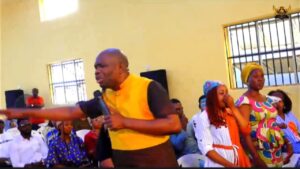
“If you are not the light, don’t quench the light,” he cautioned, noting that the person rejected today may become essential to resolving tomorrow’s crisis.
He connected this principle to Joseph, whose brothers sold him into slavery without understanding that his eventual position in Egypt would help preserve their lives during famine.
“There is trouble coming ahead when a Joseph is needed,” was the warning conveyed through the account.
The pastor also highlighted Job’s practice of offering sacrifices on behalf of his children, urging believers to cultivate multiple dimensions of spiritual preparedness: prayer, righteousness, generosity, sacrifice and vigilance.
He encouraged Christians to commit each morning to God rather than approach the day carelessly, seeking divine direction for their decisions and encounters.
Yet he also emphasised the need for discernment and forgiveness. Drawing from Joseph’s eventual treatment of his brothers and Elisha’s handling of captured enemy soldiers in 2 Kings 6:15–23, he challenged believers to resist vengeance while exercising sound judgement.
The story of Elisha and his servant offered another powerful lesson. When the servant saw enemy forces surrounding the city, fear overwhelmed him. Elisha prayed that his eyes would be opened, and he saw the mountain filled with horses and chariots of fire.
The account demonstrated that visible circumstances do not always reveal the full reality of a situation. What appears hopeless may not be beyond divine intervention.
For the congregation of Acts of Restoration and Compassion Church, Rev. Chikwem’s message was a call to move beyond religious routine towards genuine spiritual maturity.
Trouble may arrive unexpectedly. Sickness, financial hardship and family difficulties may restrict progress. Human assistance may fail, and familiar strategies may no longer work. Nevertheless, believers must remain prayerful, discerning and steadfast in their trust in God.
Ultimately, the preacher’s message was that a siege need not have the final word. Prayer must be accompanied by wisdom, faith by responsible action, and spiritual commitment by the courage to adopt a different strategy when circumstances demand it.
When life is besieged, do not surrender to fear. Become a source of strength to your family, cultivate spiritual authority, and trust God for the wisdom to overcome what stands before you.
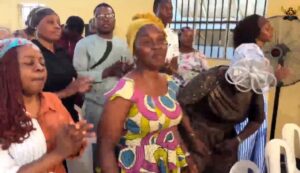
It was a bubbly service as usual characterised by praise abd worship by the choir, as well as prayer sessions.