

By Anthony
Kindly share:
There are seasons in the life of every believer when God’s promise seems far removed from present reality. Heaven appears silent, prayers seem unanswered, doors remain closed, and what God has spoken looks increasingly impossible. Yet, sometimes, what appears to be delay is actually divine preparation. What looks like inactivity may be the deepest work God is doing beneath the surface.
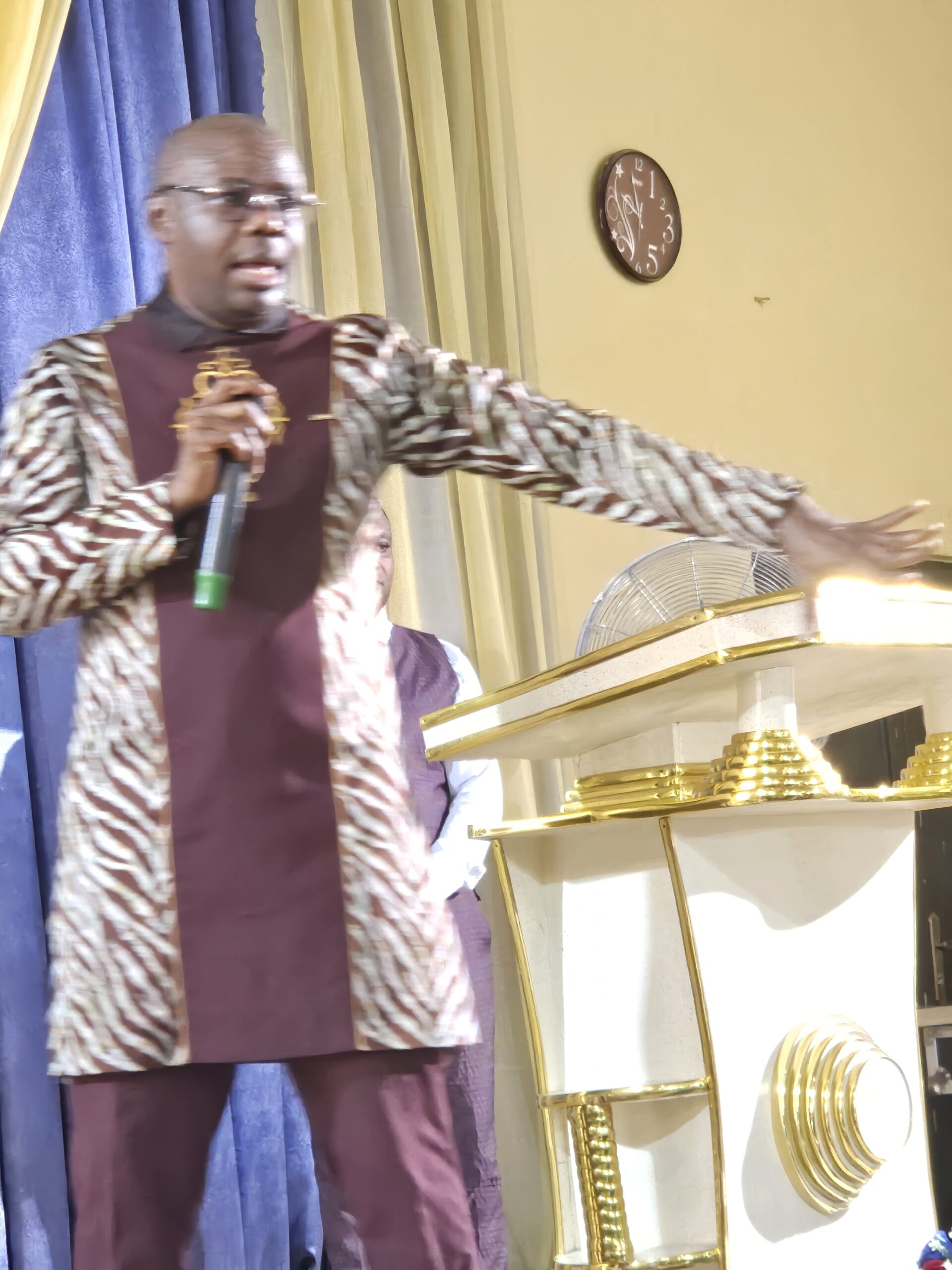
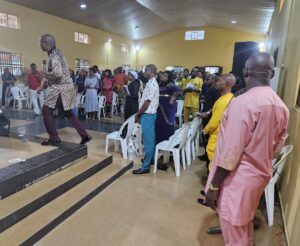
This was the profound spiritual lesson that emerged from the August 23 Sunday service at the Acts of Restoration and Compassion (ARC) Church, where the ongoing series, “The God of Abraham,” continued with a powerful exploration of God’s dealings with Abraham and the mysterious process through which divine promises become tangible realities.
The service began with a soul-stirring worship session led by Minister Prosper. The atmosphere gradually deepened into one of reverence, surrender and spiritual expectation.
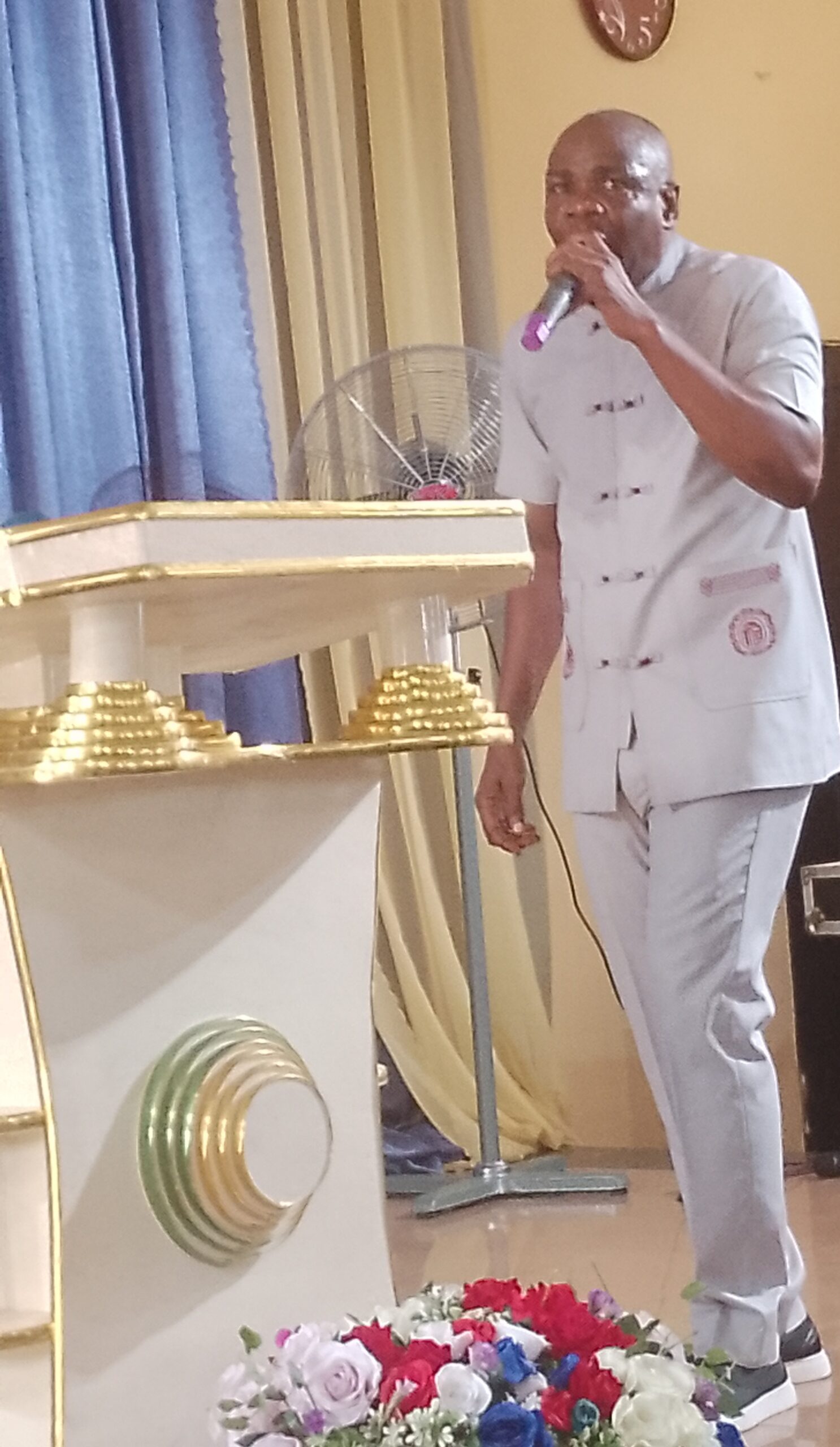
Lead Pastor, Rev. Paul Chikwem, later took over the worship, leading the congregation in singing about how excellent and wonderful the Lord is. It was a fitting opening for a service centred on the faithfulness of a God whose greatness remains unchanged regardless of the circumstances surrounding His people.
The teaching was drawn from Genesis 12:1–5 and Exodus 3:6, 13–15, taking the congregation back to the origins of Abraham’s journey.
Before understanding the God of Abraham, the congregation was invited to return to Mesopotamia, where Abraham lived with his father, Terah, and his brothers, Nahor and Haran. Terah began a journey towards Canaan but stopped at Haran, the city that became a significant transition point in the story.
It was a land surrounded by other gods and competing systems of worship. But God was about to reveal Himself to Abraham as the living God, the God who calls a man out of his familiar environment, separates him for a divine purpose and begins a process that will eventually affect generations.
Abraham later took Lot with him, partly out of sympathy and family affection. But the message emphasised that no human relationship can be permitted to occupy the place that belongs to God. In the process of separating Abraham completely unto Himself, God allowed a rift to develop between Abraham and Lot, eventually leading to their separation.
Sometimes, what appears to be a painful loss is actually divine separation.
God appeared to Abraham in Canaan and gave him a promise, but the fulfilment did not come immediately. Years passed before Isaac, the promised son, was born. The lesson was unmistakable: between promise and product, there is a process.
God chooses, and His choice cannot be challenged. He does not owe human beings an explanation for whom He chooses, nor does He necessarily choose according to the qualifications that impress men. Divine selection is rooted in God’s purpose.
But when God chooses a person, He does not simply announce the destination; He begins a process.
God separates. Scripture says, “Come out from among them, and be ye separate.” Separation is often an essential part of divine preparation. There are relationships, habits, environments and attachments that may have to be abandoned because they do not fit into the purpose God is developing.
God also shows. He allows His people to see glimpses of what He intends to accomplish. But seeing the promise is not the same as possessing the product. Vision can come years before manifestation.
Then God makes.
And making takes time.
The illustration of raw gold captured this reality. Gold in its raw state may not look impressive. It must pass through processes that remove impurities and reveal its value. In the same way, God may take a person through seasons that look painful, unattractive or unproductive. Yet the process is not necessarily punishment.
The powerful declaration from the service was that process is not punishment.
What the process produces in you may be more important than what it does for you.
There was already an Isaac in God’s promise to Abraham. The years between the promise and Isaac’s arrival were not wasted. They were part of God’s preparation of Abraham to receive what had been promised. Sometimes God is not preparing the product for you; He is preparing you for the product.
This truth should radically change the way believers interpret difficult seasons.
A delay may be developing patience. A disappointment may be building endurance. A separation may be producing focus. A closed door may be protecting a destiny. A season of obscurity may be preparing someone for visibility.
The process can make a person look unproductive. It can even make others conclude that nothing is happening. But God may be working where human eyes cannot see.
The congregation was, therefore, challenged not to abandon the process simply because it is uncomfortable. Every material used to create a valuable product must pass through a process. The process changes the material.
Sometimes the process can become so difficult that people leave before God completes what He started. Biblical examples were used to emphasise the danger of incomplete processing. Elisha’s anger became destructive when he responded to mockery with a curse, while Gehazi’s failure to allow the prophetic process to transform his desires led him into destructive pursuit of material gain.
The lesson was clear: do not rush what God is making.
When God is working underneath, His activity may not be visible to the physical eye. The absence of visible evidence does not mean the absence of divine activity.
Therefore, believers were encouraged to remain patient and refuse discouragement. Do not conclude on the process because you are not the processor.
Sometimes it is better not to argue with those who do not understand what God is doing in your life. People often judge processes from appearances because they cannot see the finished product.
Jesus’ encounter with Lazarus provided another striking illustration. Jesus did not arrive before Lazarus died. He came after the situation had apparently passed beyond human intervention. Yet what looked like the end became the stage for a testimony that glorified God.
Sometimes God allows the situation to reach a point where human strength can no longer claim the credit.
The service also emphasised that before there is outward manifestation, there must be inward preparation.
“Before you go out, make sure you go in.”
Preparation does not always begin on the outside. The deepest preparation takes place within.
The seed provides a perfect picture. When planted in the soil, it does not immediately break through the surface. It first establishes roots beneath the ground. Mother earth seems to resist it, yet the seed pushes through, takes root and prepares itself before emerging into visibility.
What appears to be inactivity may, therefore, be preparation.
The congregation was reminded that every product eventually becomes another seed capable of producing another product. Abraham produced Isaac; Isaac produced Jacob; Jacob produced the twelve tribes. God’s work in one generation becomes the foundation for His work in another.
For this reason, believers should never become complacent about their achievements.
Do not celebrate your best yet. There may still be another level.
Abraham’s journey also demonstrated that leaving familiar territory requires a compelling promise. It was not easy for him to leave Haran for a destination he did not know. It takes faith to leave what is familiar for what God has promised but has not yet fully revealed.
Yet God does not move people without purpose. He does not take off without planning. He does not move you and abandon you along the way.
If God initiates the journey, He knows the destination.
Another powerful dimension of the message concerned the purpose of blessing. The God of Abraham is not merely the God who blesses; He is the God who makes His people a blessing.
Being blessed means little if the blessing ends with you.
The prayer, therefore, should not simply be, “Lord, bless me,” but, “Lord, bless me and make me a blessing.”
The message challenged believers to move beyond dependency and become instruments of impact.
Stop merely contributing. Start impacting. Do not constantly ask what somebody can “dash” you. Ask God to make you capable of becoming a blessing to others.
The service also offered profound encouragement to those passing through painful seasons. God is not threatened by your tears. Crying does not mean you have lost faith. Tears do not cancel God’s promise.
A person may look broken while God is rebuilding. A life may look crushed while God is refining. A season may look empty while God is preparing abundance.
The congregation was, therefore, encouraged to allow God to finish His work.
When nothing appears to be happening on the surface, something may be happening underneath.
When the seed is underground, it is not dead. When gold is being refined, it is not being destroyed. When clay is being pressed, it is not being abandoned.
When Abraham was waiting, God was not absent.
The message ultimately called the church to patience, faith and spiritual maturity. The believer must learn to trust God not only when the promise is visible, but also when the process is painful.
Do not conclude too early. Do not allow the ugliness of the process to make you abandon the beauty of the product. Do not allow delay to make you doubt the promise.
Wait for God to finish what He has started.

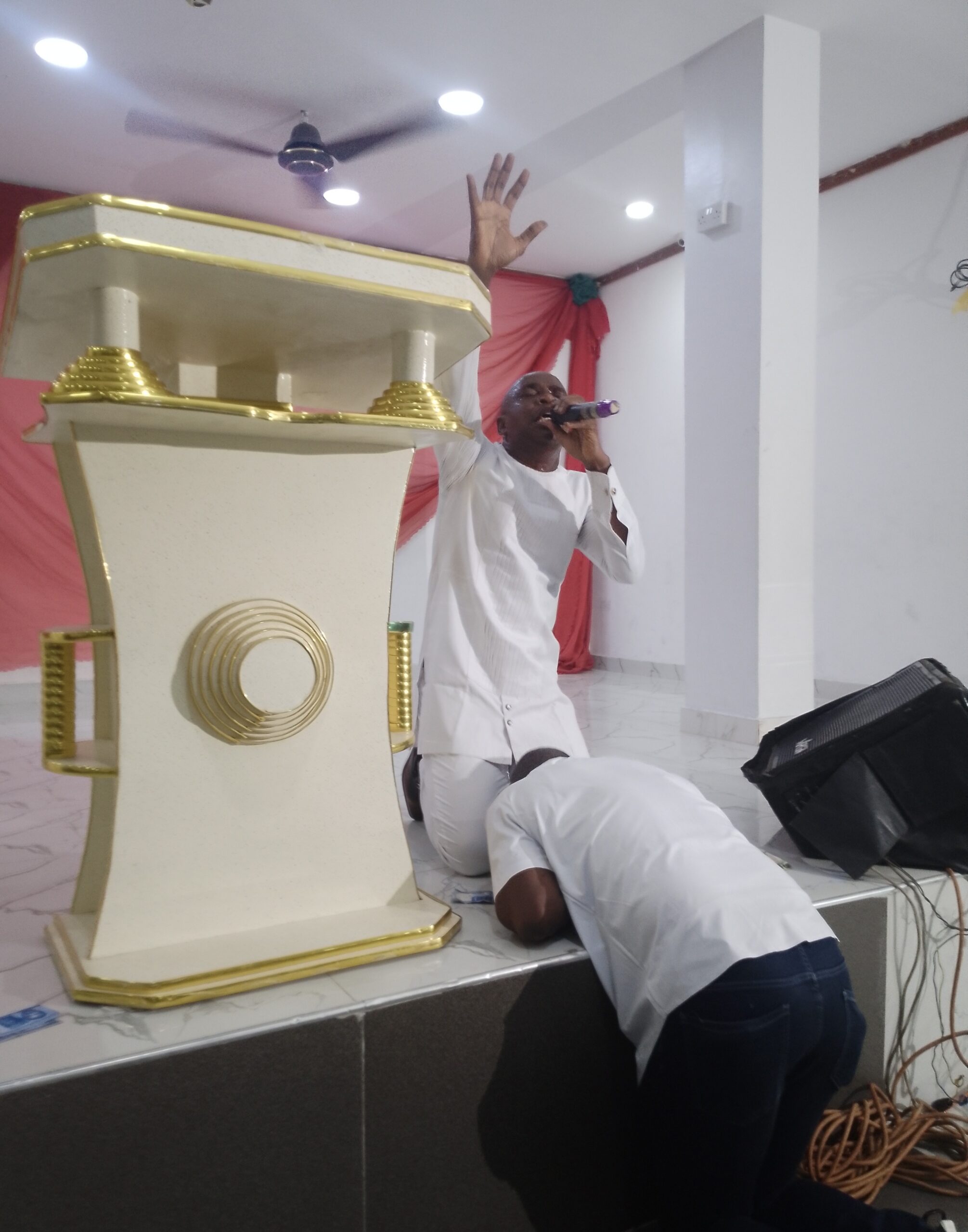
Following the teaching, Rev. Paul Chikwem led the congregation into a powerful session of warfare prayers and prophetic declarations. The atmosphere shifted into intense spiritual engagement, as the church prayed against obstacles, limitations, delays and every force perceived to be standing against the fulfilment of God’s purposes.
The service left the congregation with a profound spiritual charge: the promise may be instantaneous, but the manifestation may require a process.
There is a process between the seed and the harvest, between the calling and the manifestation, between the promise and the product. And sometimes, the greatest miracle God is performing is not changing what is around us but changing what is within us.
So, when the journey becomes difficult, remain patient. When the promise appears delayed, keep believing. When people misunderstand your process, keep walking. When God seems silent, remember that silence is not absence.
He may be working beneath the surface. Trust Him. Wait for Him. Allow Him to finish.
For the God of Abraham is still the God who chooses, separates, shows, makes, blesses and fulfils His promises.
And when He finally completes the process, the product will testify that the waiting was not wasted.