
By Bose
Kindly share:
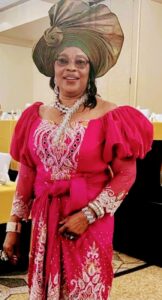
For EziAda Anne N. OnyenehoMaduako, the 2027 senatorial election in Okigwe Zone is bigger than the personalities, parties, campaign structures and political calculations already beginning to shape the contest.
It is, in her view, a referendum on the kind of representation the zone wants for the next four years.
Her argument is simple but fundamental: Okigwe must stop measuring political candidates primarily by the size of their structures, the strength of their godfathers or the resources they can deploy during campaigns. Instead, voters should ask what each candidate brings to the Senate and, more importantly, what he can accomplish with the mandate.
“We must choose capacity over structure, substance over noise and long-term interest over temporary inducement,” she says.
That conviction explains her support for Attorney Charles Onyirimba’s senatorial ambition.
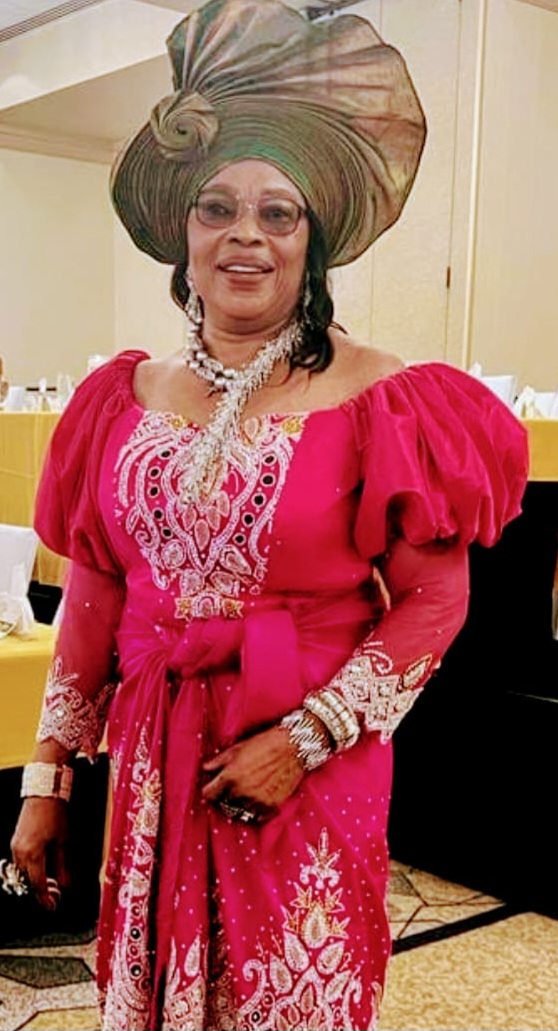
Onyeneho is a multidisciplinary professional, political activist and mother of five accomplished children. Her professional background cuts across business management, procurement, marketing, cardiovascular diagnostic studies and patient healthcare. She holds a BBA in Management and Procurement, an MBA in Marketing, as well as specialised training in Diagnostic Doppler Cardiovascular Imaging and Patient Diagnostic Report Writing.
But it is her concern about Okigwe’s development and political future that has drawn her increasingly into the political conversation.
For her, the central question facing voters is not simply: “Who can win?”
It is: “Who can make the seat count?”
“We should not simply ask who has the strongest political machinery. We should ask who has the capacity to use the office effectively,” she says.
She believes Onyirimba presents a different proposition because his background extends beyond conventional partisan politics.
“He combines legal training, professional experience, international exposure, political experience and community engagement. That combination is important because the Senate is not simply a platform for political popularity. It is a legislative institution.”
According to her, the mistake Okigwe must avoid is confusing electoral victory with effective representation.
“Perhaps we have sometimes focused too much on the process of winning elections and not enough on what happens after the victory.
“The real question is: What does the person do with the seat?”
She argues that a senator’s responsibilities include legislation, oversight, constituency advocacy, strategic engagement with federal institutions, pursuit of development opportunities and effective representation of the people’s interests.
“A senator should legislate, exercise oversight, advocate for the constituency, build strategic relationships, pursue projects and attract attention and opportunities to the people.
“That is why I keep saying that Okigwe does not need someone merely occupying the Senate seat. We need someone who can make the seat count.”
Onyeneho wants voters to approach the 2027 election with a more demanding mindset.
She believes party labels, political structures and personalities should not become substitutes for competence.
“I believe voters should begin looking beyond party logos and political godfathers. Okigwe Zone should become the ultimate political interest.”
That philosophy, she explains, is at the heart of the emerging “Okigwe Peoples Party” idea, a political philosophy in which the people’s interest, rather than a particular party structure, becomes the overriding consideration.
“Before voting, ask: What will this candidate do for Okigwe? What capacity does he have? What is his record? What is his agenda?
“That is how we begin to take back the political power that belongs to the people.”
She is equally careful not to portray Onyirimba as infallible.
“He is not perfect. No politician is. But voters have a reason to expect something different from someone with his professional background, international exposure and life experience.
“And because we expect something different, we must also hold him accountable.”
That accountability, she insists, must begin before the election.
Voters should interrogate every promise made during the campaign.
“What exactly will he pursue? Which issues will he prioritise? What legislation will he support? Which ministries and agencies will he engage? What projects will he lobby for? How often will he report to the people?
“No politician should receive an automatic pass.”
For Onyeneho, three broad areas deserve particular attention in the Okigwe agenda: infrastructure and economic connectivity, youth economic opportunity, and stronger access to national development opportunities.
Infrastructure, she says, affects virtually every aspect of economic life.
“Our infrastructure problems affect agriculture, commerce, investment and mobility. If roads, electricity, healthcare, education and other basic infrastructure remain inadequate, economic development becomes much more difficult.”
She is equally concerned about the future of young people.
“Our young people need meaningful opportunities instead of being forced to look elsewhere for their future.”
But she rejects the politics of unrealistic promises.
A senator, she acknowledges, cannot perform the functions of a governor.
“We should stop making unrealistic promises in the name of politics. A senator is not a governor.”
Yet, she adds, that does not mean the office is powerless.
“Through legislation, oversight, advocacy, lobbying, constituency projects, partnerships and engagement with federal institutions, a competent senator can achieve a great deal.
“We should elect a senator who understands the limits of the office and knows how to maximise its possibilities.”
That principle also shapes her view of youth empowerment.
She does not expect Onyirimba to promise government jobs for everyone.
“That would be unrealistic.”
Instead, she wants a senator who can pursue skills development, entrepreneurship, digital employment, vocational training, educational support and access to federal programmes.
She believes Onyirimba’s international and Diaspora exposure could also become an asset in connecting credible young people to opportunities beyond the conventional government employment pipeline.
But she wants young people to go beyond being campaign crowds.
“They must become participants in governance, not just rally crowds.”
The same principle applies to women.
For Onyeneho, women should not be treated merely as mobilisers during elections and spectators afterward.
“Women should be decision-makers. They should participate in policy formulation, campaign administration, community engagement, entrepreneurship, youth development and constituency advocacy.
“And their participation should not end when the election ends.”
She considers the appointment of a woman as Onyirimba’s Campaign Director General significant because, in her view, it demonstrates that women can occupy strategic positions at the centre of the political project.
Yet one of the most difficult realities of Nigerian elections remains the influence of money.
What happens, she is asked, when opponents arrive with money, gifts and inducements?
Her answer is not counter-vote-buying.
It is voter education.
“We cannot defeat vote-buying simply by telling people to be morally upright. We must make voters understand the difference between a temporary benefit and a four-year political decision.”
She does not advocate condemning or intimidating people who accept campaign assistance.
“We should not intimidate anyone who accepts assistance. We should not engage in counter-vote-buying. We should simply remind people that the inducement does not own their PVC.”
The message, she says, should be straightforward:
“A bag of rice will run out. Money will run out. But the consequences of electing an ineffective representative can last for four years.”
If Onyirimba wins, she expects him to be judged by the same standard she is asking voters to apply to every other candidate.
His priorities, she says, should include a clear legislative and development agenda, an aggressive pursuit of infrastructure and economic opportunities, and a strong system of accountability and constituency engagement.
“The people should be able to communicate their priorities, attend town halls and receive periodic reports.”
Ultimately, she says, representation must be measured by three questions:
What did you promise?
What did you pursue?
What did you deliver?
That, for Onyeneho, is the standard Okigwe should demand in 2027.
Her final message to voters is therefore less a campaign slogan than a challenge to political consciousness.
“2027 is not merely another political contest. It is a choice.
“It is a choice about whether we continue with familiar patterns or demand a higher standard of representation.
“Do not choose merely because someone has a large structure. Do not choose merely because someone has money. Do not choose merely because someone is politically connected.
“Ask who is prepared. Ask who has capacity. Ask who has vision. Ask who has a record worth examining.
“Then choose wisely.
“The future of Okigwe is too important to be reduced to four years of political noise.”