

By Amah
Kindly share:
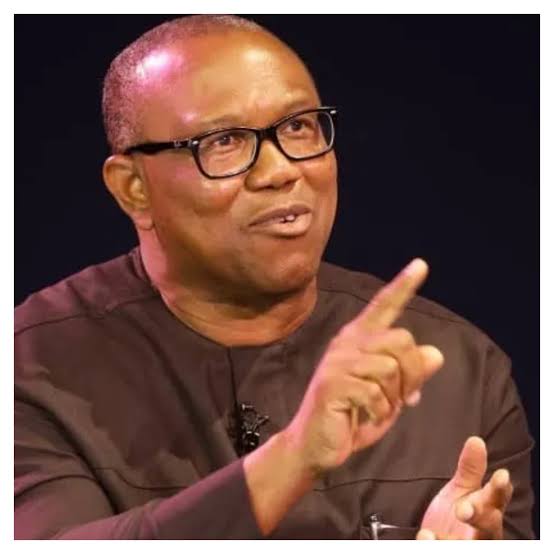
Nigeria’s already fluid political landscape has taken another dramatic turn as former Labour Party presidential candidate, Peter Obi, officially announced his resignation from the African Democratic Congress (ADC), citing deepening internal instability and external interference.
In a statement shared via his verified X (formerly Twitter) account on Sunday, Obi clarified that his exit was not driven by personal grievances against the party’s leadership. He was deliberate in absolving key figures, such as ADC Chairman, David Mark, and political heavyweight Atiku Abubakar of any wrongdoing.
“Let me state clearly,” Obi wrote, “my decision to leave the ADC is not because our highly respected Chairman, Senator David Mark, treated me badly, nor because my leader and elder brother, Alhaji Atiku Abubakar, or any other respected leaders did anything personally wrong to me. I will continue to respect them.”
Instead, Obi pointed to a more systemic concern, what he described as the recurring infiltration of destabilising forces within opposition parties. Drawing parallels with his experience in the Labour Party, he lamented that the same “Nigerian state and its agents” that fueled internal crises there now appear to be replicating similar patterns within the ADC.
According to him, the party is increasingly bogged down by “endless court cases, internal battles, suspicion, and division,” diverting attention away from pressing national issues.
Obi criticised a political culture that prioritises control and exclusion over service, warning that such an environment is incompatible with genuine nation-building.
His resignation adds another layer of uncertainty to the opposition bloc ahead of the 2027 general elections, raising fresh questions about coalition stability, political realignments, and the enduring challenge of building a cohesive alternative to Nigeria’s dominant political structures.
Obi’s move reinforces a growing narrative in Nigerian politics: that beyond personalities, the deeper crisis lies within institutions—where internal democracy remains fragile, and where the struggle for power often overshadows the mission of governance.