By James
Kindly share:
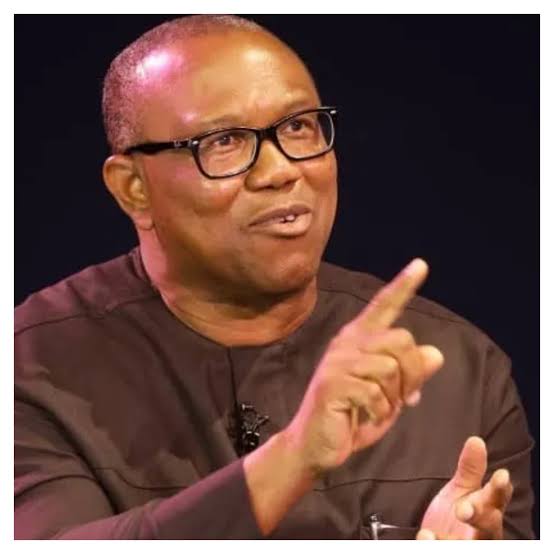
Former presidential candidate of the Labour Party, Peter Obi, has sounded a stark warning over what he describes as a dangerous slide toward repression in Nigeria, following the arrest of respected Islamic cleric, Sheikh Ahmad Tijjani Umar.
The development, which Obi revealed in a statement posted on his verified account on X, has sparked fresh concerns about civil liberties, political tolerance, and the state of Nigeria’s democracy.
According to Obi, Sheikh Umar was taken into custody by authorities shortly after hosting him in Kaduna on Sunday, an encounter that now appears to have triggered official scrutiny.
Obi disclosed that he became aware of the arrest early Tuesday morning, describing the sequence of events as both alarming and symbolic of a broader pattern of intimidation.
In a strongly worded reaction, the former Anambra State governor warned that the arrest signals a growing intolerance for dissent and opposition voices within Nigeria’s political environment.
He argued that the targeting of individuals based on association or perceived political alignment undermines the very foundations of democracy.
“This development underscores the deeply troubling state of our nation and our democracy,” Obi stated, warning that freedoms of speech and movement are increasingly under threat.
Obi’s comments come amid mounting criticism from opposition figures and civil society groups who have repeatedly accused authorities of deploying state instruments to silence critics.
Political observers note that such incidents, if unchecked, risk eroding public trust in democratic institutions and could deepen existing political tensions.
Obi emphasised that democracy cannot thrive where dissent is criminalised, urging authorities to adhere strictly to the rule of law.
“Suppression and intimidation of dissent can never stand in a democratic society,” he said, calling on those in power to halt actions capable of undermining Nigeria’s already fragile democratic framework.
The arrest of a religious leader, particularly one not publicly known for partisan political activity, raises deeper questions about freedom of association and the independence of religious and civic spaces in Nigeria.
For many analysts, the incident is not just about one cleric, but about the precedent it sets: whether citizens can freely engage with political actors without fear of reprisal.
As reactions continue to trail the development, attention now turns to authorities for clarification on the circumstances surrounding Sheikh Umar’s arrest, and whether due process will be transparently followed.