
By Anthony
Kindly share:
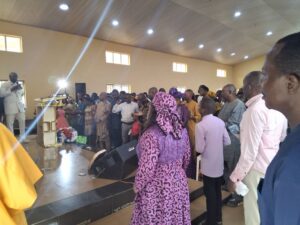
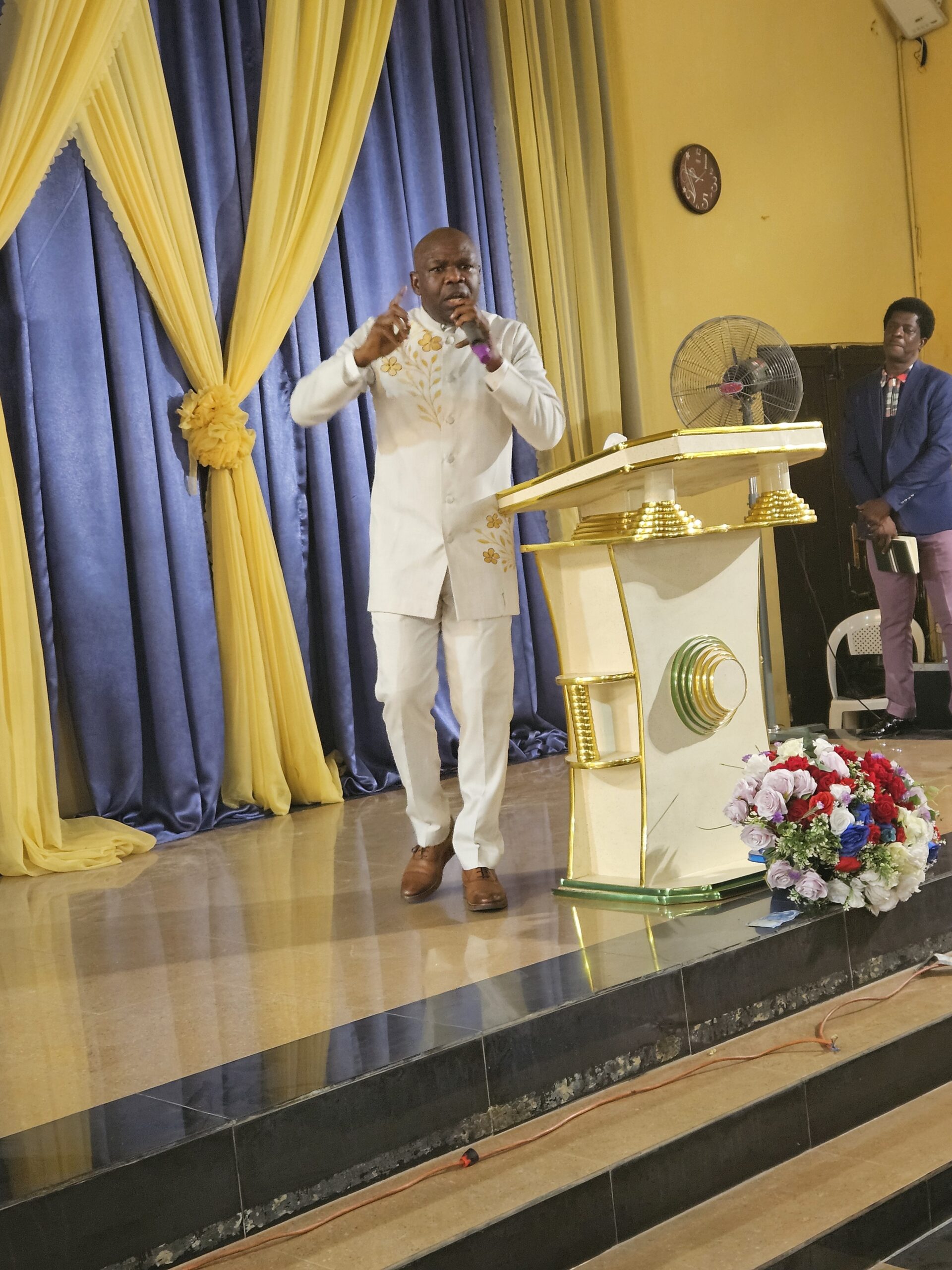
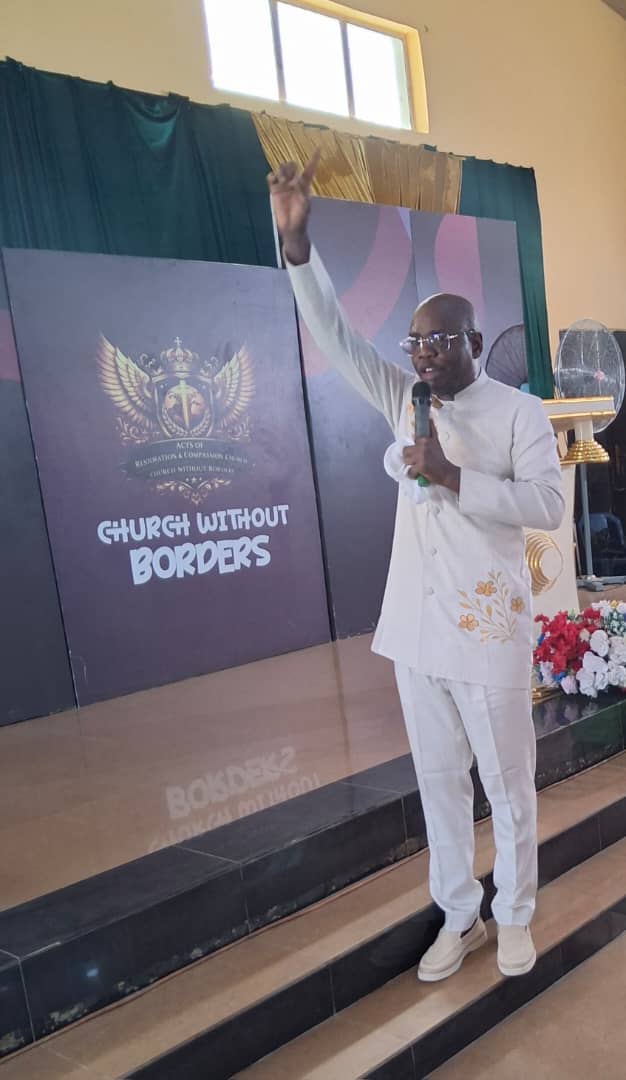
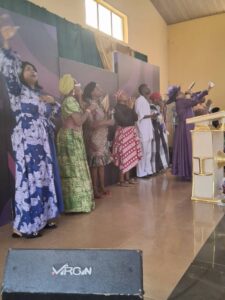
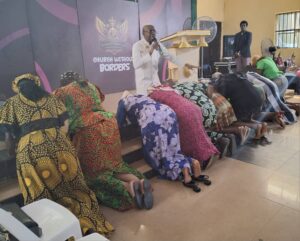
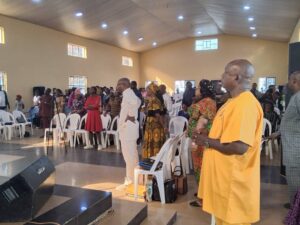
It was a Sunday of renewed hope, prophetic assurances and powerful spiritual impartation at Acts of Restoration and Compassion (ARC) Church, as the Lead Pastor, Rev. Paul Chikwem, ministered a timely message reminding believers that no matter how challenging the journey has been, God’s faithfulness guarantees that their year will not end empty. The service was characterised by fervent prayers, uplifting worship and an atmosphere of great spiritual expectation, as the congregation was encouraged to look beyond present circumstances and embrace the possibilities of divine intervention.
The service opened with prayers led by Pastor Emma, followed by an inspiring choir ministration and a deeply engaging worship session by Dr. Promise Obi, that prepared the congregation for the Word.
Taking his principal texts from Genesis 15:1–5, Exodus 3:20–21 and Exodus 12:36, Rev. Chikwem delivered a compelling message on divine favour, covenant intervention and supernatural recovery, declaring that God’s purpose for His children is not to end their journey in emptiness, defeat or disappointment.
He emphasised that divine favour makes difficult things easier and can terminate seasons of emptiness. Drawing from Romans 8:32, he reminded the congregation that if God did not spare His own Son but gave Him for humanity, there was nothing good He could not make available to His children through Jesus Christ.
He challenged worshippers to approach church with definite expectations rather than merely fulfilling the obligation of membership. Citing Zacchaeus, who went to extraordinary lengths to see Jesus, and the woman with the issue of blood, whose determined faith secured her healing, he stressed that genuine desire and even seemingly little faith could attract extraordinary divine intervention.
“Your year will not end empty!” became the defining declaration of the ministration. Rev. Chikwem urged believers to reject fear, discouragement and negative predictions, encouraging them to declare boldly: “All that fear told me is a lie. This year will end as a beautiful summary in my life.”
Addressing the frustration that sometimes accompanies years of labour, sacrifice and commitment to God’s kingdom without corresponding visible results, he recalled David’s moment of discouragement in Psalm 73:2–17. David had almost stumbled when he considered the apparent prosperity of the wicked in contrast with his own struggles. However, his perspective changed when he entered God’s sanctuary and understood their ultimate end. Rev. Chikwem counselled believers not to interpret temporary hardship as divine abandonment or allow the apparent success of others to undermine their confidence in God.
A particularly striking dimension of the message was his exposition of the battle of the kings in Genesis 14. Following the defeat of Sodom and Gomorrah’s allies, the victorious kings carried away Lot, his family and possessions. But Abraham refused to accept the captivity of his nephew as a final outcome. Mobilising 318 trained men born in his household, he pursued the captors, defeated them and recovered Lot and everything that had been taken.
From this account, Rev. Chikwem established that some battles cannot be won through money, physical strength or human intelligence alone. There are battles that require covenant intervention. Abraham’s decisive response demonstrated that what appears to be an overwhelming defeat can be overturned when heaven backs a determined man.
He consequently declared that no member of the congregation would become a victim of life’s battles. No family would be surrendered to the enemy, and no destiny would be abandoned in captivity. He prayed that every conspiracy against their peace and progress would collapse, that the counsel of those plotting their downfall would fail, and that whatever had been taken from them would be recovered.
He further reminded the congregation that they would not fight alone; heaven would back them up. They would not bow to failure, sickness, oppression or the arrows of the wicked. Even when people attach negative labels to them, they must refuse to answer to identities that contradict God’s purpose. As he put it, people may call you anything, but you must know your name and understand who God has called you to be.
The minister also underscored the importance of recognising and appreciating those who serve and labour for others. Using Abraham’s refusal to take personal spoils from the king of Sodom, except for what his men had consumed and what rightfully belonged to his allies, he reminded those in positions of influence that financial generosity must be accompanied by genuine attention and consideration. Those who occupy prominent positions must never overlook the people whose labour and commitment sustain them.
Returning to Genesis 15, he explained that after Abraham’s intervention in the battle and his refusal to enrich himself from the spoils, God appeared to him with renewed assurances concerning his future and the promise of an heir. Despite Abraham’s concerns about his childlessness, God reaffirmed His covenant and gave him a vision of what was ahead. The lesson was clear: believers must remain confident in God even when the fulfilment of His promises appears delayed. God’s silence does not mean His absence, just as His apparent quietness does not mean He has abandoned His own.
Drawing from Exodus 3:20–21 and 12:36, Rev. Chikwem recalled how the Israelites, after 430 years of Egyptian bondage, received divine favour and departed with the possessions of their former oppressors. Their exit was not an empty departure but a supernatural turnaround that demonstrated God’s capacity to compensate His people and give them a glorious ending after prolonged adversity.
He therefore prayed that anyone who had inflicted pain, injustice or suffering on the congregation would face divine accountability, while those who had experienced loss would receive restoration. He declared that the remaining days of 2026 would produce testimonies that would silence fear and disappointment.
The service climaxed with fervent prophetic declarations and prayers for divine favour, preservation, recovery, healing, family protection and supernatural breakthroughs.
It was indeed a timely reminder that a difficult season does not determine the final chapter of a believer’s story. With God, delayed promises can be fulfilled, lost opportunities can be recovered and battles that appear unwinnable can become testimonies.
The message was unequivocal: 2026 will not end empty. God’s people will enter 2027 with testimonies, recovery and evidence of His faithfulness.