
By Anthony Iwuoma
Kindly Share:
As Okigwe Zone approaches the 2027 general elections, one question deserves more attention than the familiar political calculations: are the people prepared to change the way they choose, assess and hold their political representatives accountable?
The forthcoming election presents an opportunity for more than a change of political officeholders. It offers an opportunity to reconsider a political culture that has, for too long, placed personalities, political connections and electoral calculations ahead of competence, accountability and measurable development.
Across the six local government areas of Okigwe, Onuimo, Isiala Mbano, Ehime Mbano, Ihitte-Uboma and Obowo, citizens have legitimate expectations. They want better roads, security, employment, quality education, accessible healthcare and an economic environment in which individuals and businesses can thrive.
Yet political conversations often revolve around who controls which political structure, who has secured the endorsement of influential individuals and who commands the largest campaign crowd. These considerations may matter to politicians, but they do not necessarily answer the fundamental questions confronting the electorate.
A society can produce politicians without producing development. It can conduct elections without deepening democracy. It can celebrate political victories while ordinary citizens continue to struggle with the same problems.
This is the contradiction Okigwe must confront.
One of the major obstacles to democratic progress is godfatherism. When political fortunes depend more on the approval of influential individuals than on the confidence of voters, public representation becomes compromised. The elected representative may begin to regard political sponsors as the real owners of the mandate.
But the mandate belongs to the people.
This principle is particularly relevant to the senatorial contest ahead. The Senate is not an extension of any political godfather’s private estate. It is a constitutional institution in which elected representatives are expected to make laws, scrutinise government policies, exercise oversight and advance the interests of their constituencies.
The quality of representation should, therefore, be measured by the value it delivers to the people, not the political influence it accumulates for individuals.
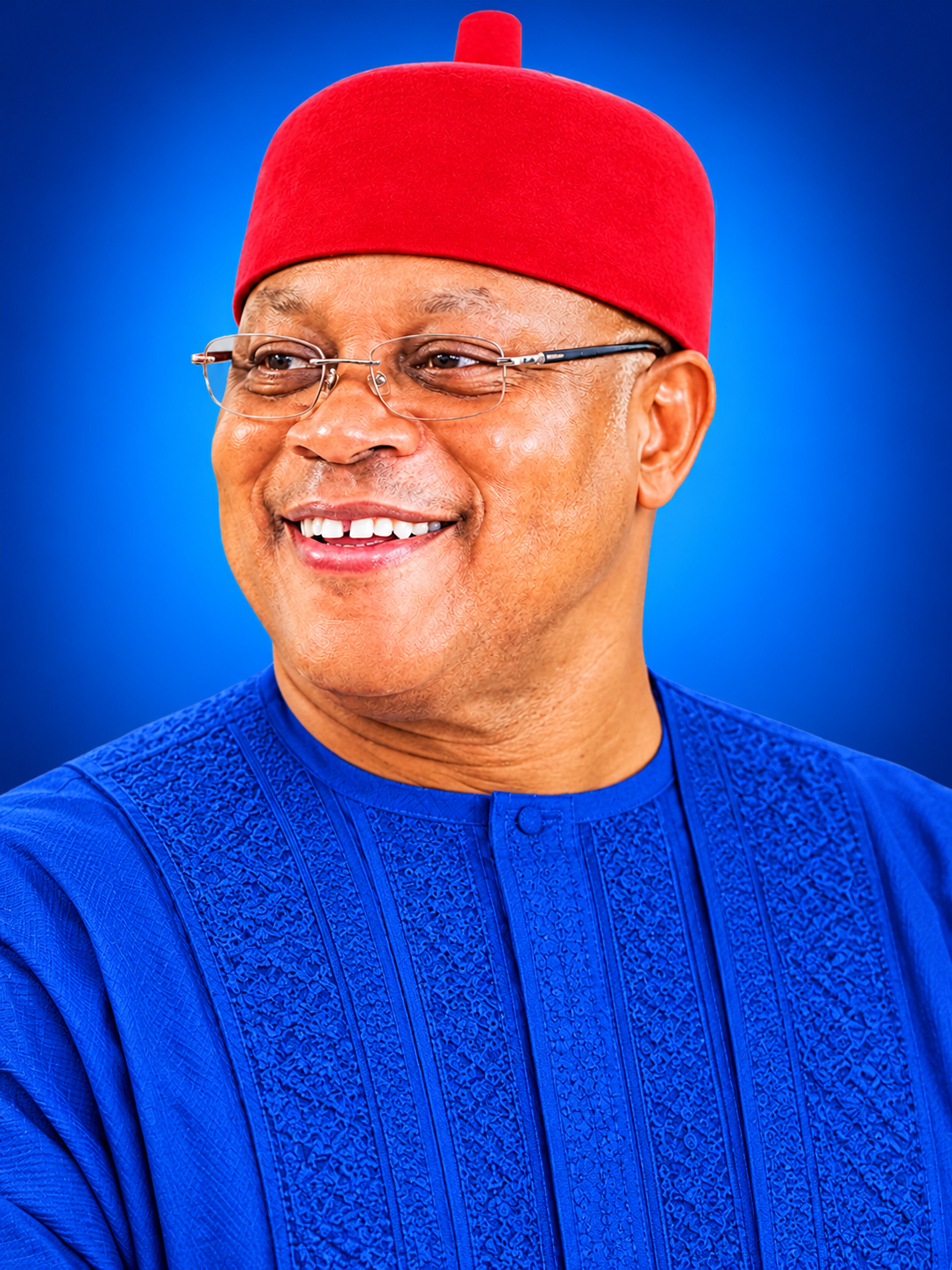
It is against this background that the senatorial aspiration of Attorney Charles Chibuike Onyirimba deserves examination. As one of the prominent contenders for the Okigwe Zone Senate seat on the platform of the Action Democratic Party (ADP), Onyirimba presents a proposition centred on a different understanding of political representation.
His philosophy that the mandate belongs to the people, not the officeholder or godfathers, challenges the traditional notion of political ownership. It places the electorate at the centre of governance and reminds political representatives that their authority is derived from the people and must remain accountable to them.
Onyirimba’s professional background, including his legal training, journalism education, international exposure and previous public-service experience, forms part of the credentials upon which his candidacy should be assessed. Apart from credentials, more important is how such experience can be translated into effective legislative performance and tangible benefits for constituents.
His proposed Transformation Agenda places emphasis on effective legislation rather than ceremonial representation. A senator should not merely occupy a seat in Abuja; he should understand the legislative process, contribute meaningfully to national debates, exercise oversight responsibly and ensure that Okigwe’s interests receive serious attention.
Infrastructure, economic development, security, human capital and institutional accountability must feature prominently in the larger development conversation.
However, political alternatives must be judged by their substance, not simply by their novelty. The electorate must examine candidates individually, evaluate their proposals and demand accountability.
This is where the 2027 election becomes especially important. The people should not surrender their choices to political imposition, financial inducements or intimidation. They should examine who understands the responsibilities of the Senate, who has the intellectual and professional capacity to contribute and who is prepared to remain accessible to constituents.
Political parties also have a responsibility to demonstrate internal democracy and respect the electorate’s right to make independent choices.
Equally important is the rejection of political violence. Democracy is anchored on civility, dialogue and respect for opposing opinions. It is not warfare. No candidate’s ambition is worth the life of a citizen, and no political disagreement should justify intimidation or destruction.
Okigwe needs a political culture in which ideas compete, credentials are scrutinised and public commitments are measured against performance.
Onyirimba’s aspiration should, therefore, be considered within this wider democratic conversation. The question is not merely whether he can win the senatorial election, but whether the philosophy, competence and development proposals he presents can meet the expectations of the people.
Ultimately, the electorate must remain sovereign. Candidates may offer ideas, parties may present platforms and political organisations may mobilise support, but the decision belongs to the people.
The 2027 election should be an opportunity to move beyond the politics of political survival towards the politics of human progress.
Okigwe is at a crossroads. Attorney Charles Onyirimba is offering himself as one of the choices before the people. He is not asking for a wholesale endorsement but rather that his proposition, like every other candidacy, must be examined on its merits.
The future should not be determined by who controls the political machinery, but by who can best serve the people.
The mandate belongs to the people. The responsibility of leadership belongs to whoever they entrust with it. And that must be sacrosanct, devoid of manipulations and shenanigans of the past.
Anthony Iwuoma, a media professional and newspaper columnist, wrote from Owerrri, Imo State.