
By Anthony
Kindly share:
The deplorable state of roads in Onuimo Local Government Area of Imo State has become a painful symbol of decades of unmet development expectations, following a consultation visit by the campaign council of Attorney Charles Chibuike Onyirimba, the ADP flag bearer for the 2027 Okigwe Zone senatorial election.
The delegation’s harrowing experience on the roads triggered pointed questions about the quality of representation the people have received over the years, with campaign leaders lamenting that communities remain difficult to access despite successive election cycles and repeated political promises.
Chief Magnus Orjiako (Ohamadike), Director of Security and Police Affairs, brought the issue into historical perspective, recalling his visit to Onuimo in 1999 during the senatorial campaign of Senator Ifeanyi Araraume. He expressed dismay that, 26 years later, the condition of the roads remained largely unchanged.
The comparison, he suggested, underscored the urgency of confronting the infrastructure deficit and demanding greater accountability from those entrusted with public office.
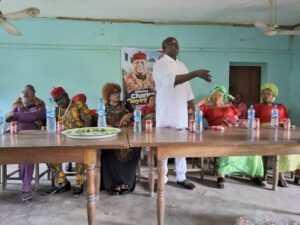
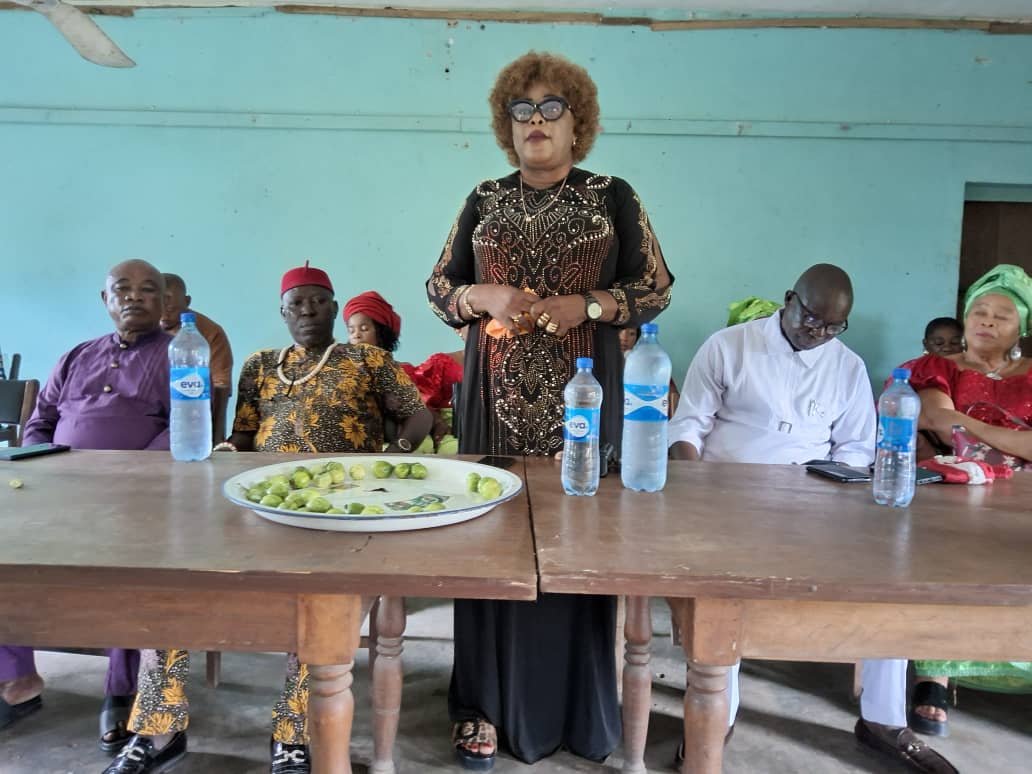
The Director-General of the campaign council, Mrs Favour Nwelue, was equally appalled by the delegation’s experience. She recounted how the team risked thei lives and spent hours negotiating winding, badly deteriorated roads before being forced to turn back
She described the ordeal as an unsettling encounter with the consequences of prolonged infrastructural neglect.
Beyond the discomfort of the journey, she questioned the safety of residents and travellers navigating isolated stretches where assistance might be difficult to obtain in an emergency.
“What has become of the allocations meant for Okigwe Zone? How can communities remain in this condition while those elected to represent them continue to enjoy the privileges of public office?” she asked.
Nwelue stressed that the crisis extends far beyond poor road access. Onuimo’s agrarian economy depends on reliable transport links to move farm produce, connect farmers with markets and sustain local commerce. Bad roads, she observed, increase transportation costs, frustrate agricultural activities, constrain trade and deepen the economic hardship of rural households.
She urged residents to make accountability a central issue in the 2027 election, warning against allowing cash inducements and last-minute political promises to distract them from the long-term interests of their communities.
“Ask questions about what they have done with the mandates you entrusted to them. Do not allow yourselves to be deceived again. Those who have failed you will return with money to buy your votes, but remember that such money cannot compensate for years of neglect,” she cautioned.
She challenged voters to scrutinise the records of those seeking their mandate, examine their proposals and demand evidence of commitment to public service.
“If you elect a leader who delivers, everybody benefits. But if you sell your conscience, you surrender your right to demand what is rightfully yours and suffer the consequences,” she said, urging the people to consider how their electoral decisions would affect their children and the generations to come.
Orjiako reinforced the call for accountability, arguing that the persistence of infrastructure challenges across successive election cycles made it imperative for voters to examine what previous mandates had delivered before entrusting anyone with another.
He cited Onyirimba’s more than 45 years of international exposure as part of the experience the candidate could bring to public service. He also outlined the candidate’s stated development priorities, including advocating the rehabilitation and construction of critical roads, establishing economic clusters and promoting cottage industries across Okigwe Zone.
According to him, these initiatives could stimulate local production, expand employment opportunities and strengthen the economic foundations of communities if effectively pursued.
“Lawmaking requires knowledge, competence and a clear understanding of the people’s needs. The Senate should not become an extension of private business interests. For too long, the destiny of Okigwe has been treated as a commodity. It is time to put the people’s interests first,” Orjiako declared.
He further reminded supporters that the ADP appears third on the ballot paper, identified by its Bible symbol, and urged them to familiarise themselves with the party’s position ahead of the election.
Earlier, Chief Ferdinand Ogor, the campaign council’s Chief Strategist, explained that the delegation had come to engage the people and seek their support for Onyirimba’s senatorial aspiration. He described the candidate as a familiar figure across Okigwe Zone and recalled the political legacy of his late brother, Hon. Stanford Onyirimba, the accomplished former Majority Leader of the Imo State House of Assembly.
The Onuimo ADP chairman and the community’s President-General welcomed the delegation and expressed support for Onyirimba’s aspiration. They observed that voters were increasingly examining candidates’ personal records, capacity and commitment to development rather than relying solely on party affiliations.
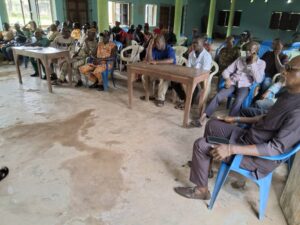
The President-General disclosed that representatives of all four clans in Onuimo attended the meeting, describing their presence as evidence of community interest. He pledged to mobilise an even larger gathering as consultations continue.
The visit placed a longstanding development grievance at the centre of the unfolding senatorial contest: how communities can continue to endure deteriorating roads and restricted economic opportunities despite decades of political representation.
For the Onyirimba campaign council, the experience reinforced its call for greater accountability, practical development priorities and a closer connection between legislative representation and the everyday needs of the people.
As the 2027 election approaches, the condition of Onuimo’s roads stands as a reminder of the questions voters must ask of every aspirant: What has been delivered, what remains undone, and what concrete plans exist to change the situation?