
By Anthony
Kindly share:
A growing demand for purposeful leadership and accelerated development took centre stage in Nneato Autonomous Community, Osuama, Isiala Mbano Local Government Area, at the weekend, as the campaign council of Attorney Charles Onyirimba engaged traditional authorities and youths on the future of Okigwe Zone ahead of the 2027 senatorial election.
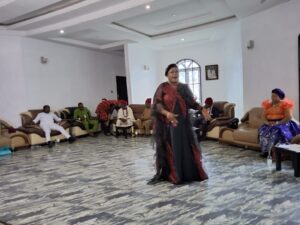
Leading the delegation, the Director-General of the Onyirimba Campaign Council, Mrs Favour Nwelue, delivered a passionate indictment of the zone’s prolonged developmental stagnation, questioning why Okigwe continues to trail Orlu and Owerri despite its wealth of human and material resources.
“Why have Orlu and Owerri developed, leaving Okigwe behind? Is it because Okigwe has no people? We have people but bad representation. The time has come for us to be as others and boast that Okigwe has also developed,” she declared.
Her remarks resonated with the central concern of the consultation: how to transform Okigwe from a zone of unrealised potential into a thriving destination for investment, enterprise and opportunity.
Nwelue lamented the plight of graduates compelled to operate commercial motorcycles and tricycles to survive after years of education, describing the situation as a troubling indictment of a system that has failed to convert qualifications into meaningful employment. She warned that if left unaddressed, the trend could discourage younger generations from pursuing education with confidence in its rewards.
She argued that Okigwe needed more than political promises; it needed representation capable of opening doors, attracting investment and creating practical pathways to prosperity.
Expressing confidence in Onyirimba’s capacity to advance that cause, the Director-General pointed to his international connections and exposure as potential assets in attracting investors, stimulating enterprise and creating employment. She identified youth empowerment, access to capital for small businesses and support for artisans as essential components of a development agenda that must reach ordinary people.
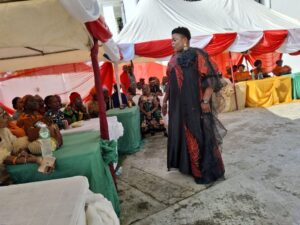
To illustrate the tragedy of unrealised opportunities, Nwelue likened Okigwe’s predicament to that of a thirsty person who cannot access water flowing right before his compound. For her, the lesson was unmistakable: a community may possess abundant resources and talented people yet remain impoverished when leadership fails to convert those advantages into public benefits.
The engagement, held at the palace of Chief Theodore Ohalete (Omeiheukwu), Traditional Prime Minister of Nneato, also brought the conversation down to the responsibilities of the electorate. Nwelue urged eligible voters to obtain their Permanent Voter Cards, participate actively in the election, reject vote-buying and protect their mandate. She advised supporters to verify the appropriate party symbol and ballot position through official electoral information before voting.
The youths made their position equally clear, pledging support for Onyirimba and prom0ising to remain vigilant at polling units to help safeguard the booths and protect the integrity of the voting process.
Welcoming the delegation, Chief Ohalete offered prayers for the success of its mission and declared that he knew Onyirimba very well and attested to his good pedigre. The palace conveyed assurances of expected community support, while the council of traditional chiefs pledged to speak with one voice alongside the Traditional Prime Minister.
Traditional leaders, cabinet members, women and youths participated in the consultation, which forms part of the campaign council’s engagement across the six local government areas of Okigwe Zone.
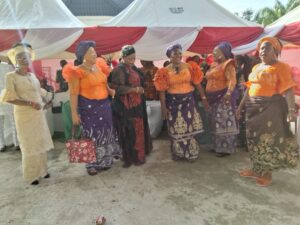
Beyond the political courtesies, the visit brought an urgent development question into focus: how long should Okigwe’s people wait before their human potential, natural advantages and collective aspirations begin to produce visible results?
For Nwelue and the Onyirimba campaign council, the answer lies in purposeful representation that prioritises investment, jobs, enterprise and better living conditions. The delegation left Nneato with expressions of solidarity from the traditional institution and pledges of support from the youths, carrying forward its message that Okigwe’s future must be built on results, not rhetoric.