
By Anthony
Kindly share:
The journey of faith demands more than fervent prayers and loud confessions; it requires understanding, wisdom in relationships, righteous living and unwavering trust in God through life’s storms.
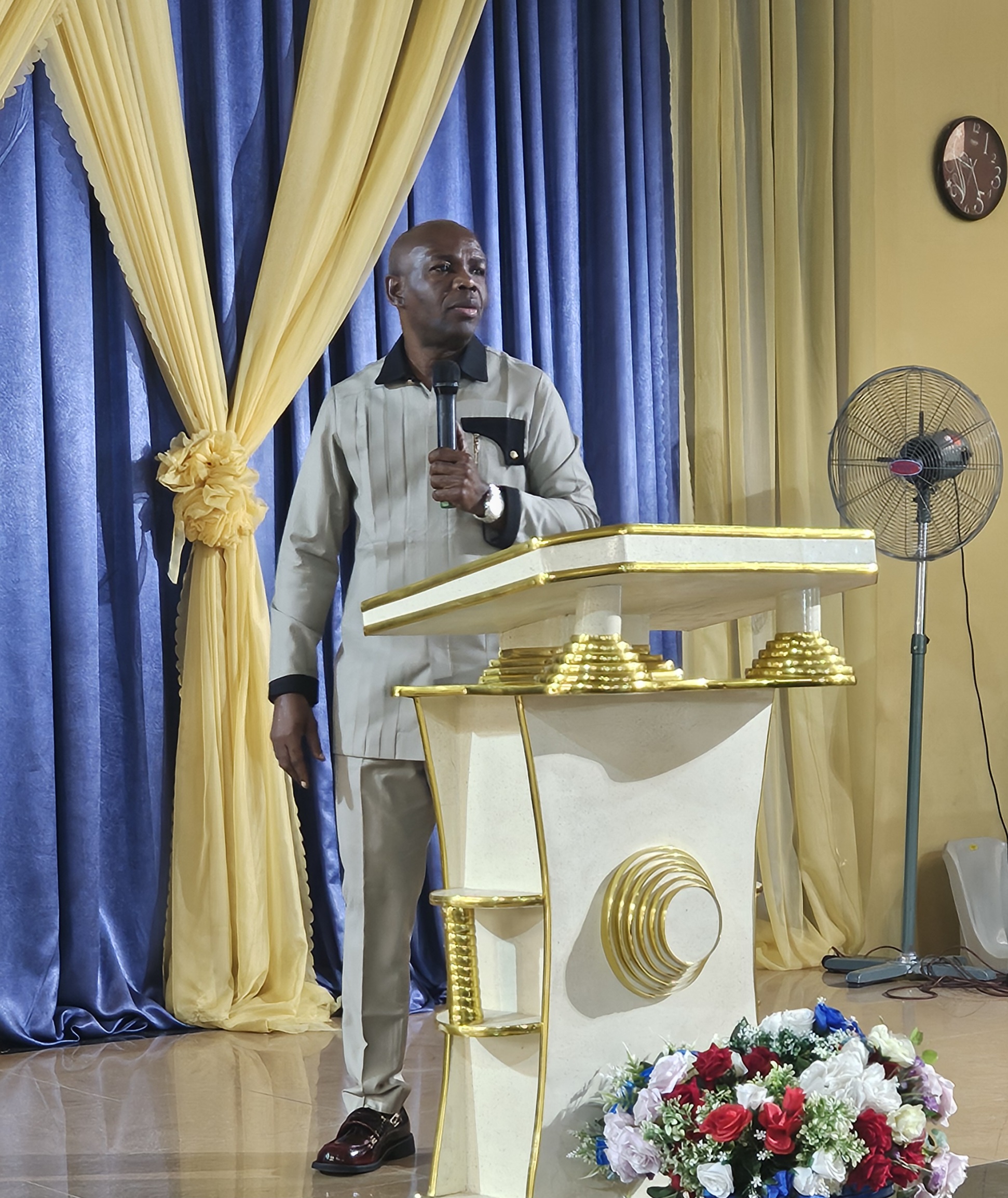
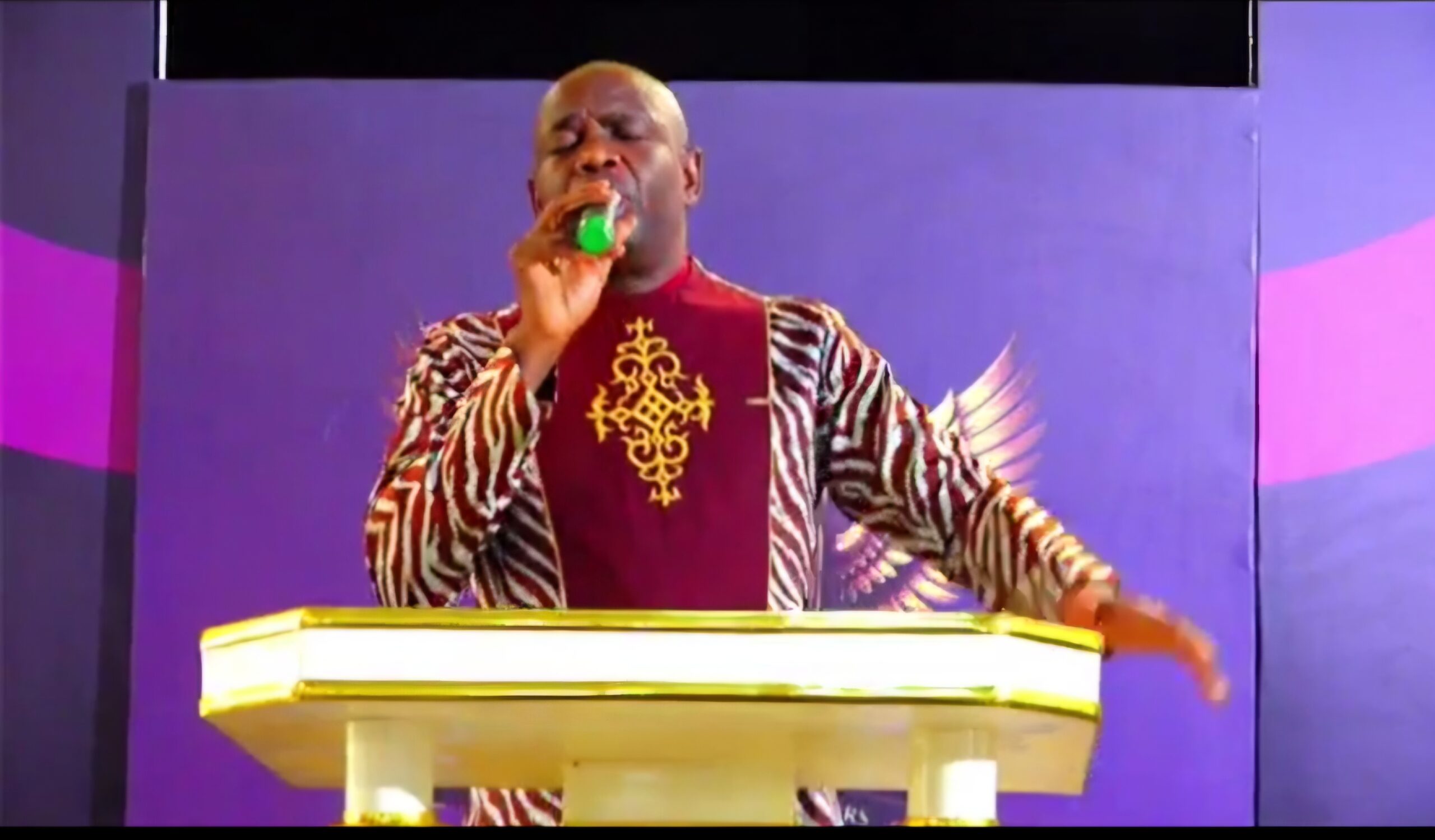
This was the central message at the Sunday service of Acts of Compassion and Restoration Church on October 4, 2026, where the Head Pastor, Rev. Paul Chikwem, delivered a stirring exhortation on spiritual understanding, sowing and reaping, and divine protection.
Drawing from Daniel 4:34, John 9:8 and Psalm 125:1, the pastor challenged Christians to exercise discernment, treat others with love and remain steadfast in God despite opposition and adversity.
Understanding: The Foundation of Wisdom
Speaking from Daniel 4:34, Rev. Chikwem recalled the experience of King Nebuchadnezzar, whose loss of understanding reduced him to living like an animal in the wilderness until his reason returned and he acknowledged God’s sovereignty.
He described the account as a powerful illustration of the importance of understanding, urging believers to make it a priority in their prayers and daily lives.
According to him, understanding enables people to judge situations correctly, recognise when to speak or remain silent, and distinguish between battles worth fighting and arguments best avoided.
“There are things you do not need to stress yourself over when you have understanding. There are arguments you do not need to get involved in,” he counselled.
He explained that discernment helps people recognise differences in maturity and perspective without becoming bitter or unnecessarily confrontational. It also enables them to identify valuable relationships, know when to give or withdraw, and avoid forcing their presence where they are not appreciated.
“If you want people to appreciate what you do, you must learn to appreciate what other people do. If you want your presence to be celebrated, learn to celebrate the presence of others,” he said.
The pastor prayed that God would grant the congregation the understanding necessary to preserve their relationships, make wise decisions and fulfil their destinies.
Stop Fighting Other People’s Opinions
Drawing from John 9:8 and the account of the man born blind, Rev. Chikwem observed that some people became preoccupied with questioning the man’s identity and circumstances instead of celebrating his healing.
He warned Christians against exhausting themselves trying to impress people who have already formed negative opinions about them.
According to him, repeated explanations may achieve little when prejudice has become the basis of someone’s judgment. Believers must therefore learn to distinguish between legitimate correction and destructive criticism.
He also recalled the prejudice associated with Nazareth, where some questioned whether anything good could come from the town, stressing that preconceived opinions can prevent people from recognising genuine value.
The pastor urged worshippers to remain focused on their God-given assignments rather than become prisoners of public opinion.
His message was that although people may misunderstand one’s journey or refuse to acknowledge one’s progress, their opinions should not determine one’s identity or derail one’s purpose.
The Harvest Will Reveal the Seed
One of the strongest themes of the sermon was the biblical principle of sowing and reaping. Rev. Chikwem challenged the congregation to examine their conduct and consider the consequences their present actions could produce in the future.
“If God keeps you alive long enough to carry your harvest, will you be happy with what you have planted?” he asked.
He explained that those who desire love must demonstrate love, those who want care must show care, and those who expect kindness must learn to extend it to others.
Particular emphasis was placed on family relationships. The pastor urged believers to care for their parents and set worthy examples for their children, warning that people must consider how their present conduct could influence the treatment they receive in the future.
He cautioned against deliberately sowing wickedness to impress others or gain temporary advantage.
“Don’t borrow people’s hatred. Don’t allow people to make you hate anyone,” he admonished.
Citing Jacob’s deception of his father, Isaac, and the subsequent deception of Jacob by his own sons over Joseph, Rev. Chikwem illustrated how dishonesty can return to confront the person who practises it.
He urged Christians not to participate in plots against others, spread hostility or allow themselves to become instruments of another person’s bitterness. Instead, they should cultivate honesty, compassion, generosity and justice.
“Men envy the harvest, but they do not know the seed,” he observed, noting that people often admire another person’s success without understanding the sacrifice, discipline and goodwill that preceded it.
He stressed that prayer must be accompanied by responsible choices and godly conduct. Those who desire a different harvest must be willing to change the seeds they sow.
The Lord Who Surrounds His People
Turning to Psalm 125:1 and the biblical account of Sennacherib’s threat against Judah, the pastor encouraged believers to trust in God’s protection amid life’s inevitable challenges.
He acknowledged that hardship, disappointment and adversity can come even to the righteous, citing Job’s experience as an example. The crucial issue, he explained, is not merely whether trouble will come, but how believers respond when it does.
He cautioned Christians against interpreting every difficult season as evidence of God’s abandonment.
“Doubt your doubt, but don’t doubt God,” he declared, urging the congregation to remain steadfast when circumstances appear threatening.
Reflecting on Sennacherib’s campaign against Judah, Rev. Chikwem emphasised that intimidation and human power cannot ultimately override God’s sovereign purpose.
He encouraged worshippers to bring their fears and struggles before God rather than surrender to despair, presenting divine protection as encompassing preservation, provision, healing, guidance, favour and restoration.
The pastor led the congregation in fervent prayers for deliverance, defence and renewed strength, urging them to trust God for help in times of need.
He prayed that those experiencing hardship would receive assistance, those burdened by sickness or loss would find restoration, and the congregation would remain confident in God’s promises.
Faith Must Produce Righteous Living
A central thread running through the sermon was the relationship between faith and personal responsibility.
While encouraging the congregation to trust God for protection and supernatural intervention, Rev. Chikwem stressed that genuine spirituality must also be reflected in daily conduct, relationships and decisions.
Those who desire peace must pursue peace; those who seek compassion must demonstrate compassion; and those who pray for favour must learn to appreciate others.
He challenged believers to examine their motives, attitudes and relationships rather than attribute every difficulty to external enemies while ignoring the consequences of their own choices.
The message offered a call to spiritual self-examination: Are believers exercising understanding in their judgments? Are they sowing seeds of love or hostility? Are their actions consistent with the harvest they desire? And does their faith remain firm when adversity comes?
The Sunday service ultimately underscored three enduring principles: seek understanding before making judgments, sow seeds whose harvest will bring joy rather than regret, and remain steadfast in God through life’s battles.
Rev. Chikwem’s message was a reminder that faith must be expressed through wisdom, integrity and compassion. For believers willing to embrace these principles, life’s challenges need not define their future; through God’s grace, understanding and righteous living, their journey can become a testimony of transformation and restoration.