
By James
Kindly share:
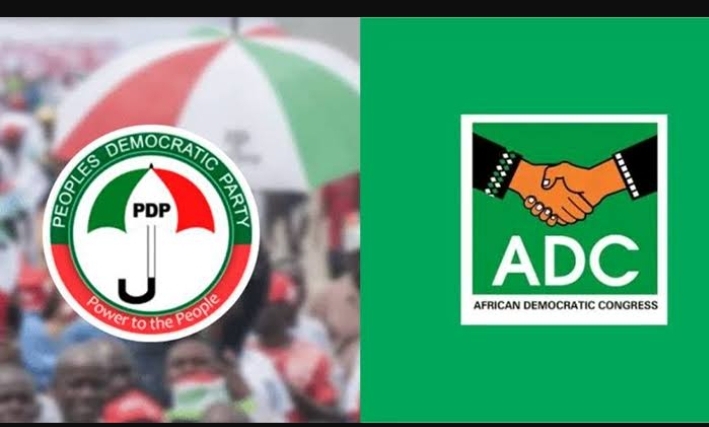
A high-stakes convergence of opposition powerbrokers took place in Abuja on Wednesday as leaders of the African Democratic Congress (ADC) and the Peoples Democratic Party (PDP) held a closed-door meeting widely seen as part of early strategic alignments ahead of the 2027 general elections.
The meeting, confirmed in a terse update by the PDP via its official Facebook platform, was described as an ongoing stakeholders’ engagement, with a video showing prominent figures arriving at the venue. It was held at the residence of former Senate President David Mark, who has emerged as a central figure in the ADC’s evolving leadership structure.
In attendance were major political actors cutting across party lines, including former Vice President Atiku Abubakar, Oyo State Governor Seyi Makinde, former Anambra State Governor Peter Obi, and former Kano State Governor Rabiu Kwankwaso. Also present were former Minister of Information Jerry Gana, PDP National Secretary Taofeek Arapaja, former Attorney-General of the Federation Abubakar Malami, former SGF Babachir Lawal, former Rivers State Governor Rotimi Amaechi, and Senator Aminu Tambuwal, among others.
On the PDP side, the faction led by Kabiru Tanimu Turaki featured prominently, alongside former Senate President Adolphus Wabara and former Niger State Governor Babangida Aliyu, reflecting the layered internal dynamics within the party.
The significance of the meeting was further amplified by parallel developments at the headquarters of the Independent National Electoral Commission (INEC), where ADC leaders and supporters staged a “Save Democracy” protest on the same day. The demonstrators called for the resignation or removal of the INEC Chairman, accusing him of partisanship and interference in the party’s internal affairs, particularly amid the lingering leadership crisis that has plagued the ADC since September.
The protest, combined with the high-level Abuja meeting, paints a picture of an opposition bloc not only grappling with internal fractures but also increasingly willing to challenge institutional authority while exploring pathways for unity. The ADC leadership, led by David Mark and National Secretary Rauf Aregbesola, has accused INEC of exceeding its constitutional mandate and allegedly aligning with a rival faction, further deepening distrust between the party and the electoral umpire.
Although details of the closed-door deliberations remain undisclosed, the timing and composition of the meeting suggest a deliberate attempt to harmonise interests across opposition platforms. With rising political tension, factional disputes, and institutional confrontations already shaping the pre-2027 landscape, Wednesday’s twin developments, the strategy meeting and the “Save Democracy” protest, underscore a growing urgency among opposition leaders to recalibrate, consolidate, and possibly forge a united front capable of altering Nigeria’s political trajectory.