
By Amah
Kindly share:
The scale of devastation following Saturday’s gas explosion in Calabar, Cross River State, has worsened, with the number of injured victims now rising to 60, according to state health authorities.
The Commissioner for Health, Dr. Henry Ayuk, disclosed the updated figure on Sunday during an inspection visit to the University of Calabar Teaching Hospital (UCTH), where many of the victims are currently receiving treatment for varying degrees of burns and trauma.
This marks a sharp increase from the initial figure of 30 casualties earlier announced by Governor Senator Bassey Otu, who had visited the scene shortly after the incident occurred.
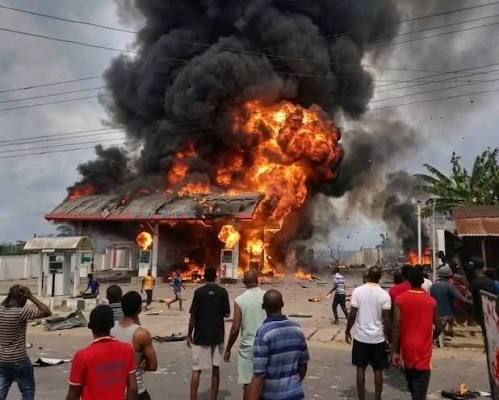
The explosion, which rocked the densely populated Edibe Edibe area of Calabar South, was reportedly triggered by a gas leak at a nearby gas plant. Eyewitness accounts indicate that the leakage went unnoticed for some time before igniting, leading to a powerful blast that reverberated across the neighbourhood.
The impact extended beyond the immediate facility, damaging surrounding residential buildings and leaving scores of residents injured. Many victims were said to have sustained severe burns, while others suffered injuries from the shockwave and debris.
Residents described scenes of chaos and panic as the explosion sent people fleeing for safety, with emergency responders and local volunteers racing against time to evacuate the injured.
In the immediate aftermath, Governor Otu assured victims and their families of government support, pledging that the state would shoulder the full cost of medical treatment for those affected.
Health officials have since mobilided resources to manage the influx of patients at UCTH and other medical facilities, as efforts continue to stabilize victims and prevent further complications.
Authorities are also expected to launch a thorough investigation into the cause of the gas leak, with growing concerns over safety standards and regulatory compliance among gas handling facilities in residential areas.
The incident has once again spotlighted the dangers posed by poorly regulated gas infrastructure in urban communities, raising urgent questions about enforcement, urban planning, and public safety.
As families grapple with the aftermath, the focus now shifts to recovery, accountability, and the urgent need to prevent a recurrence of such a disaster.