

By Amah
Kindly share:
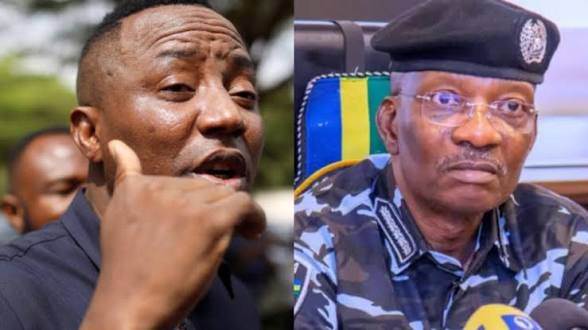
The Federal High Court in Abuja has struck out the cyberbullying case filed against activist and former presidential candidate Omoyele Sowore by the Inspector General of Police, Kayode Egbetokun.
The decision, delivered by Justice Musa Liman, followed an application by Sowore’s legal team urging the court to dismiss the charges on grounds of lack of diligent prosecution. The court agreed, effectively bringing the stalled case to an abrupt end.
The case is rooted in Nigeria’s increasingly contentious digital space, where allegations of cyberbullying and misuse of the Cybercrimes Act have frequently drawn criticism from civil rights advocates. Sowore, a vocal government critic and publisher, has had multiple run-ins with security agencies over his activism, often framing such prosecutions as attempts to silence dissent.
His arraignment in January 2025 over alleged cyberbullying was widely seen as another flashpoint in the long-running tension between outspoken citizens and state authorities.
At Tuesday’s proceedings, the prosecution requested a short adjournment, explaining that the lead counsel intended to personally take over the matter. However, Sowore’s lawyer, Marshall Abubakar, pushed back firmly, arguing that the prosecution had shown little interest in pursuing the case since it was filed.
Justice Liman, in his ruling, sided with the defence, noting that there had been no meaningful progress in the prosecution since the defendant’s arraignment months earlier. The judge held that granting further adjournments would only prolong a case that the police themselves appeared unwilling to prosecute.
With the charges struck out, the case adds to a growing list of prosecutions that have faltered due to procedural lapses or lack of follow-through by authorities. Legal observers say the ruling reinforces the principle that the courts cannot be used as holding grounds for cases that lack prosecutorial commitment.
The dismissal is likely to reignite debate over the use, and alleged misuse, of Nigeria’s cybercrime laws, particularly in cases involving journalists, activists, and political critics. For Sowore and his supporters, the ruling may be viewed as a vindication; for critics, it raises deeper questions about institutional efficiency and the balance between security enforcement and civil liberties.
As Nigeria continues to grapple with the boundaries of free expression in the digital age, this case stands as a telling example of how legal battles between citizens and the state can unravel, not with a verdict, but with silence and inaction.