
By Anthony
Kindly share:
In many parts of Nigeria today, frustration with governance is loud and visible. Conversations in markets, churches, town unions, and social gatherings often revolve around the same theme, disappointment with political leadership and the feeling that ordinary citizens have little control over the direction of government.
Yet, beneath the frustration lies another troubling reality: political apathy.
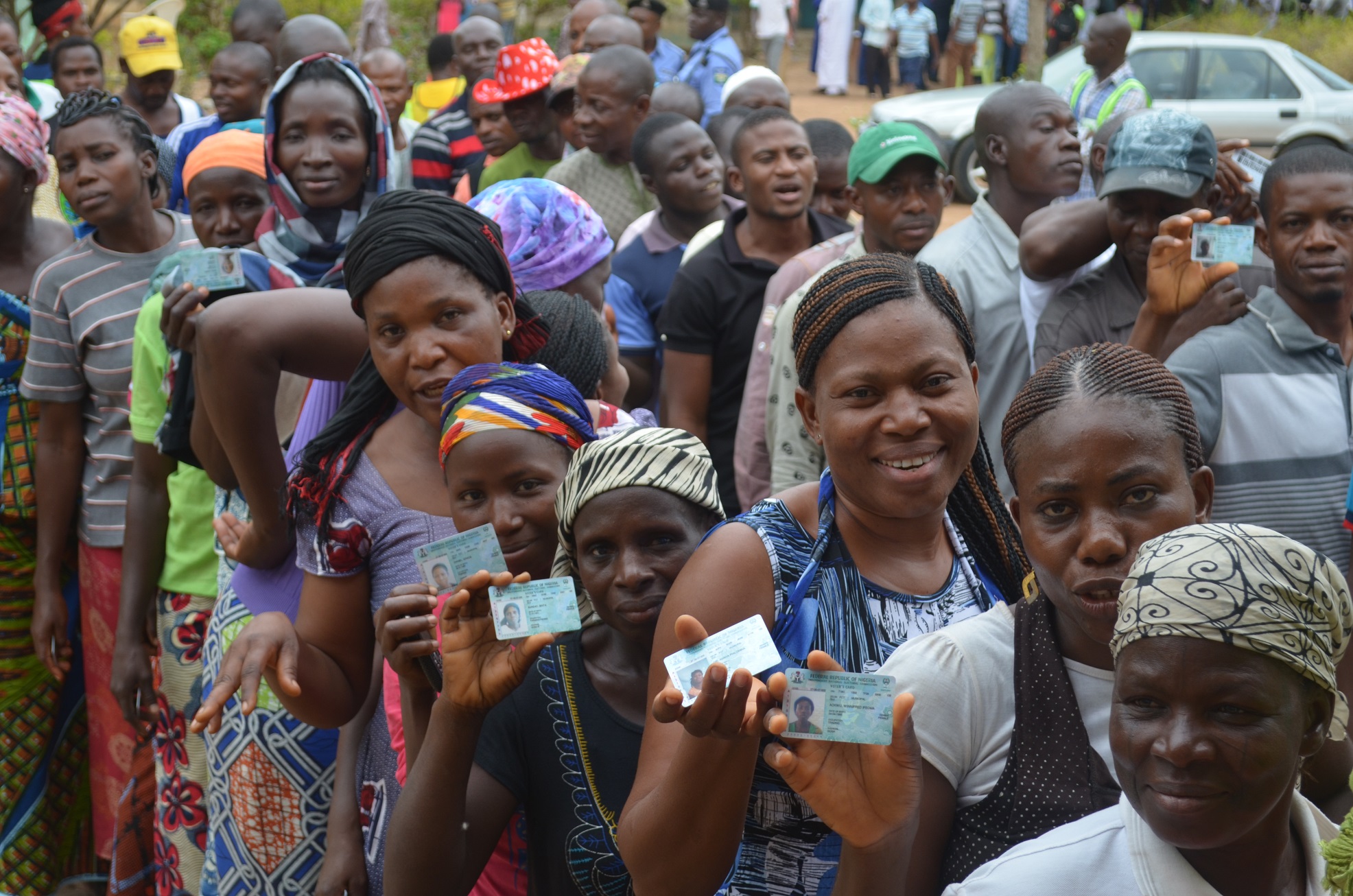
Across several communities, many eligible voters have simply withdrawn from the electoral process. Some insist their votes will not count, while others believe elections are already predetermined.
But Chief Bart Okorie, a concerned constituent from Okigwe Zone, who spoke in a recent civic engagement discussion, argues that such thinking only strengthens the very system people complain about. According to him, democracy does not depend on how many voters turn out to vote.
“People must understand a very simple fact,” he said. “There is no quorum in elections. If only a small number of people show up to vote, the winner will simply be the candidate who gets the majority of those votes. That is why voter apathy is dangerous.”
Below are excerpts from the conversation.
Many Nigerians say elections do not change anything. Why do you believe people should still participate?
Because staying away from elections is exactly what bad governments want. People think refusing to vote is a form of protest; it is not. It is surrender. Democracy does not require a quorum. If only a small fraction of the population votes, those few votes still determine the outcome. So, when millions of citizens stay home out of frustration, they unknowingly make it easier for a small group of organised voters to decide the future for everyone else. Complaints alone cannot remove bad governance. Only votes can.
So low voter turnout actually benefits the political establishment?
Absolutely. Every political system has a loyal base of supporters who will vote no matter what. These are the people who show up consistently at elections.
Now imagine that the rest of the population; the ones who complain the most about governance, decide to stay home. What happens? The organised minority decides the election. That is the quiet strategy of many entrenched political interests. They rely on public frustration, turning into apathy instead of participation. But once citizens begin to vote massively, the political equation changes very quickly.
What does this mean specifically for people in Okigwe Zone?
It means we must wake up politically. In Nigeria, political influence is often measured by voting strength. Communities that show up in large numbers during elections command attention and respect. But areas where voter turnout is low risk becoming politically invisible. If Okigwe Zone wants stronger representation, better development, and a louder voice in the political space, we must start with one thing: massive voter participation. That begins with registration.
What role does voter registration play in this process?
Registration is the foundation of political power. If you are not registered, you cannot vote. And if you cannot vote, you cannot influence the outcome. So, the first step toward change is ensuring that every eligible citizen registers.
Parents should encourage their children who have reached voting age to register. Churches should encourage members. Youth organisations should mobilise their communities. Political change begins with a name on the voters’ register.
Some people say even if they register, their votes may not count.
That fear is understandable, but it should not discourage participation. The truth is that the more people vote, the harder it becomes for anyone to manipulate the outcome. Massive voter turnout increases transparency and accountability.
Citizens must not only vote but also remain vigilant during the process, peacefully ensuring that votes are properly cast and counted. A vigilant electorate strengthens democracy.
Many people are also asking where political change should begin. What do you think?
Change must begin with supporting credible alternatives. For many citizens, the African Democratic Congress (ADC) represents such an alternative. Even though it is contending with many teething problems, the party is widely seen as a platform that is still relatively fresh and not deeply entangled in the systemic political compromises that have characterised many older parties.
That is why many people believe that political renewal in places like Okigwe Zone can begin through platforms like the ADC. It represents an opportunity to introduce new leadership energy and break away from politics as usual. However, even the best political platform cannot succeed if people refuse to vote.
What is your message to the people of Okigwe Zone ahead of the 2027 elections?
My message is simple: Do not surrender your future through apathy.
Register to vote. Mobilise your families and communities. Come out in large numbers on election day. Vote massively. And ensure that your votes are protected through lawful vigilance.
In democracy, the future is not decided by those who complain the loudest. It is decided by those who show up at the polls. And because elections have no quorum, those who participate, no matter how few, will determine the outcome.
If we truly desire change in Okigwe Zone, then we must rise above discouragement and participate fully in the democratic process. Because in the end, democracy belongs to those who vote.