

By Anthony Iwuoma
Kindly share:
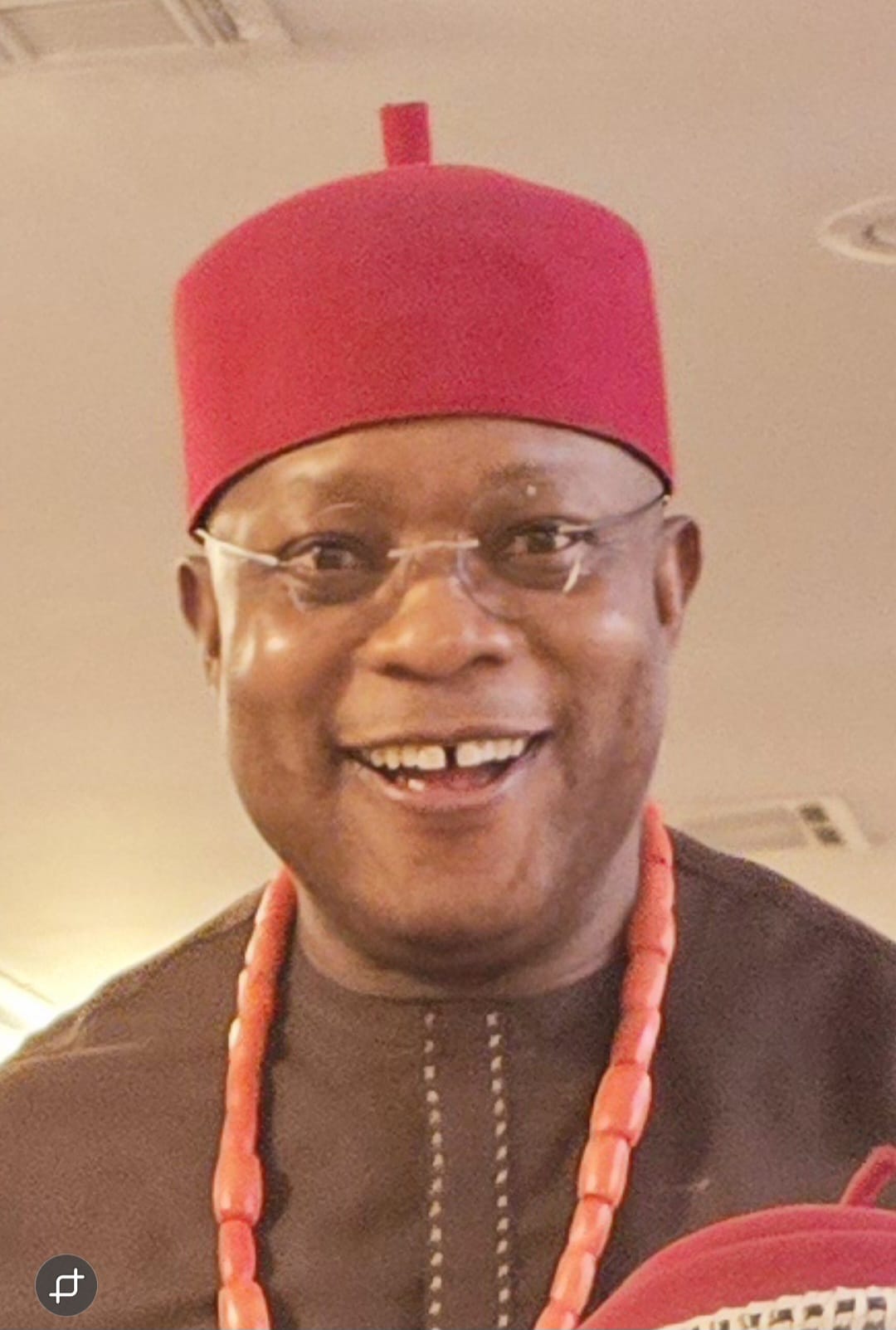
Although Attorney Charles Onyirimba has not made any formal declaration to contest the Okigwe Senate seat in the next election cycle, the political atmosphere across the zone suggests that his name has already become the central point around which conversations revolve. In town halls, community meetings, professional circles, and quiet political consultations, the question repeatedly surfaces: will Onyirimba step forward?
What is striking about the unfolding scenario is that the debate has already moved beyond the simple matter of whether he will contest or not. Instead, a more intriguing narrative has emerged, why his possible entry into the race already appears to overshadow other potential contenders.
In politics, relevance is often measured by presence, visibility, and the ability to command attention without necessarily seeking it. By that standard, Onyirimba has inadvertently positioned himself as the defining variable in the Okigwe senatorial conversation. His potential candidacy has become the yardstick by which other aspirants are being measured, discussed, and even strategised against.
Across the zone, there is a growing sense among observers that the next senatorial contest may ultimately revolve around one central question: how would other aspirants fare if Onyirimba decides to enter the race?
This perception has created a unique political situation. In many elections, candidates struggle to build recognition and persuade voters that they deserve attention. In this case, however, the situation appears reversed. The electorate is already paying attention, even before any formal political machinery has been activated, with many groups and constituents in the forefront of the Onyirimba must run movement.
Part of the fascination surrounding Onyirimba stems from his public profile and professional background. As a legal practitioner with a reputation for intellectual depth and articulate engagement on public issues, he has cultivated an image that many see as different from the conventional political mould. For some supporters, this distinction is precisely what makes him attractive, as a potential representative in the Senate.
Within community circles, his name often surfaces in discussions about leadership quality, competence, and the need for fresh thinking in legislative representation. For these groups, the prospect of his candidacy represents not merely another politician seeking office, but the possibility of a different kind of engagement with governance.
The momentum of these conversations has not gone unnoticed among political actors. In fact, some analysts believe that the quiet agitation urging him to run has already introduced an element of unease within opposition camps. When a political figure becomes the subject of widespread anticipation even before declaring interest, it naturally compels other aspirants to reconsider their strategies.
For political competitors, uncertainty can be as significant a factor as declared ambition. The mere possibility that Onyirimba could enter the race creates a shifting landscape that makes calculations more complex. Campaign planning, alliance-building, and messaging all become influenced by the hypothetical scenario of his participation.
This is why the conversation surrounding him has gradually evolved from speculation to strategic analysis. Political watchers are increasingly asking not just if he will run, but what it would mean if he does.
In many ways, this dynamic reflects a deeper sentiment among segments of the electorate in Okigwe zone. Over the years, voters have expressed varying degrees of frustration about representation, development priorities, and the broader direction of political leadership. Within this context, any figure perceived as capable of introducing a different approach naturally attracts heightened interest.
Supporters of Onyirimba often frame their enthusiasm around ideas of competence, courage, and intellectual clarity. They argue that the Senate requires voices capable of articulating regional interests with conviction while also contributing meaningfully to national debates.
Whether these perceptions fully translate into political momentum remains an open question. Elections are complex processes shaped by party structures, alliances, grassroots mobilisation, and numerous other variables. Yet it is undeniable that perception plays a powerful role in shaping early political narratives.
And right now, the prevailing perception across much of the Okigwe Senatorial Zone is that Onyirimba represents a potential turning point in the unfolding race.
Another factor contributing to this narrative is the unusual pattern of public encouragement surrounding him. Unlike typical political campaigns that begin with formal declarations and structured mobilisation, the agitation in this instance appears to be emerging organically from different segments of society. Community voices, professional groups, and informal political networks are increasingly calling on him to consider the race.
Such spontaneous calls do not always lead to candidacy, but they often indicate the presence of underlying political appetite within the electorate.
For opponents, this creates a delicate situation. Directly attacking someone who has not even declared interest could appear premature or defensive. Yet ignoring the growing attention around his name could also prove risky if the momentum eventually crystallises into an actual campaign.
As a result, many political observers believe that Onyirimba has inadvertently become the central reference point in the unfolding political equation. Aspirants may declare, mobilise, and campaign, but the shadow of the “Onyirimba question” continues to hover over the race.
In this sense, the issue in Okigwe is gradually shifting from personalities to possibilities.
The electorate is no longer merely asking who is running. They are also asking what kind of leadership they want to see representing them at the national level.
For some voters, the prospect of Onyirimba symbolises a chance to rethink the political culture of representation. For others, it introduces a competitive dynamic that could raise the overall quality of the race.
Ultimately, the months ahead will determine whether the growing conversations translate into concrete political action. Onyirimba himself remains the only person capable of resolving the suspense by making a clear decision about his intentions.
Yet even before that decision is made, one fact has already become evident.
In the unfolding drama of the next Okigwe Senate contest, the name Charles Onyirimba has already become a central storyline, perhaps, even the defining issue around which the race is beginning to take shape.
Anthony Iwuoma
Journalist/Columnist/Pastor
Faith *Power *Moral Clarity