
By Amah
Kindly share:
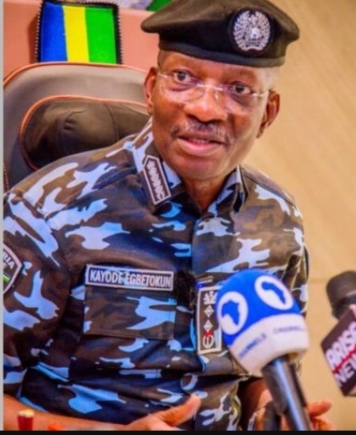
Nigeria’s policing architecture is set for a significant transition following the resignation of Kayode Egbetokun as Inspector-General of Police (IGP), in a development that has stirred political and security circles in Abuja.
Presidency sources disclosed that the decision followed a closed-door meeting between Egbetokun and President Bola Tinubu at the Presidential Villa on Monday. While no formal statement had been issued at press time, senior government officials confirmed that the police chief has stepped aside.
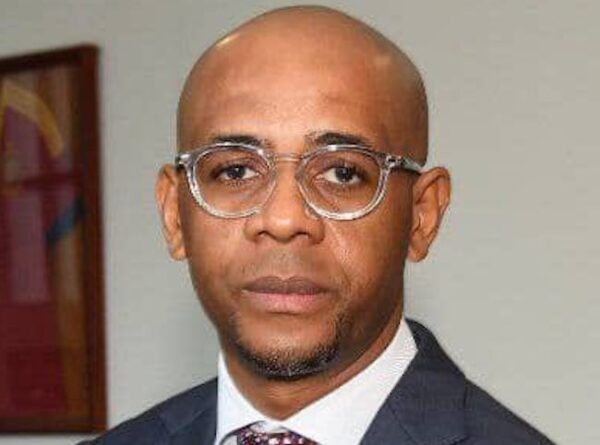
In swift succession, the President nominated Tunji Disu, an Assistant Inspector-General of Police, as the new head of the Nigeria Police Force. Preparations for a formal handover ceremony at the Force Headquarters in Abuja are reportedly underway, signaling an imminent transition of authority.
Security insiders say logistical arrangements are being finalized even as the presidency prepares an official announcement expected later Tuesday.
Egbetokun was appointed the 22nd Inspector-General of Police in June 2023. His appointment was later ratified by the Nigeria Police Council in October of the same year. However, from the outset, his tenure was shadowed by debate.
At the time of his appointment, he was approaching the statutory retirement age of 60, sparking legal and political questions about the duration of his stay in office. Critics argued that his age and years of service could limit his term under existing provisions of the Police Act.
In response to the controversy, the National Assembly amended the Police Act in 2024, allowing a serving IGP to complete a full four-year tenure regardless of age or prior years in service. The amendment effectively cleared the path for Egbetokun to remain in office until October 2027.
Despite the legislative backing, his tenure was not without turbulence. Civil society groups and opposition voices frequently criticised the police under his leadership, citing allegations of excessive force during protests and security operations in various states. Human rights concerns and broader debates over police reforms continued to trail his administration.
Egbetokun’s departure, earlier than anticipated under the amended law, raises fresh questions about internal security dynamics and executive confidence within Nigeria’s law enforcement hierarchy. Whether his resignation was voluntary or part of a broader strategic recalibration by the presidency remains unclear.
For President Tinubu, the appointment of Disu signals either continuity or recalibration, depending on how the new police chief navigates pressing security challenges, from banditry and insurgency to civil unrest and public trust in policing institutions.
As Nigeria watches the unfolding transition, stakeholders across the security and political landscape will be keenly observing whether this leadership change marks a cosmetic adjustment or the beginning of a deeper restructuring within the Force.
More details are expected as official confirmations emerge.