

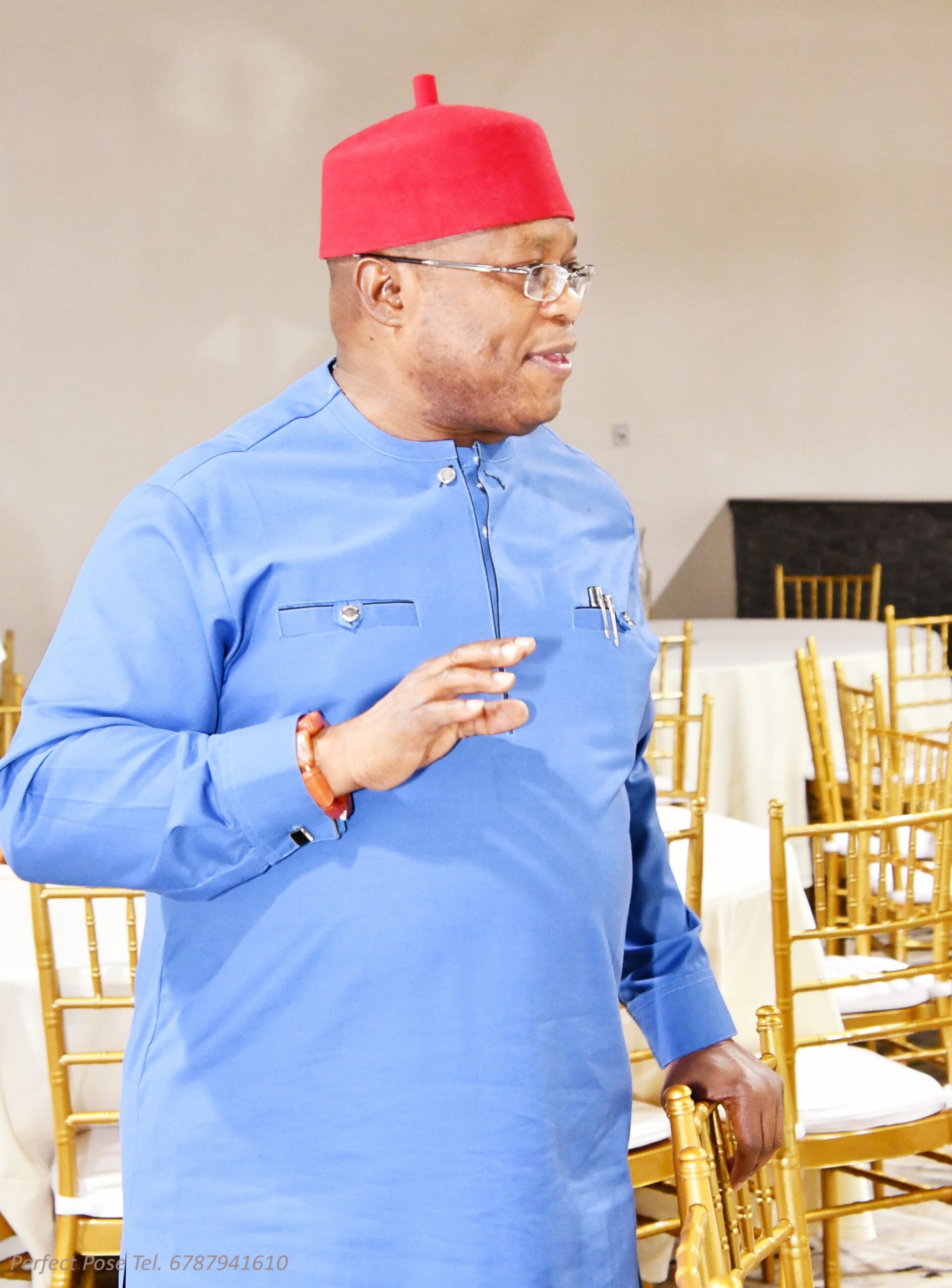
By Anthony Iwuoma
Kindly share:
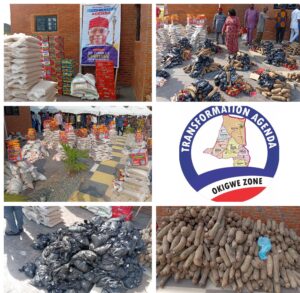
In a season marked by economic strain and quiet desperation across many Nigerian communities, Okigwe witnessed a rare moment of relief and reassurance. A throng of constituents from across the six local governments of the zone, on Monday, December 22, 2025, converged on Ehime Mbano, not in protest but in gratitude, and for a brief moment, compassion took centre stage.
At the heart of this large-scale palliative distribution was Charles Onyirimba, a united States-based attorney, philanthropist, and son of the soil, whose intervention cut across party lines and personal ambition, focusing squarely on human need.
As murmurs grow louder across Okigwe calling on him to take on greater public responsibility, Onyirimba has remained characteristically measured, choosing action over declaration.
In this interview, he speaks on the motivation behind the programme, the values driving his engagement with the people, and how he interprets the rising calls for him to vie for the Senate, without turning service into a campaign slogan.
Attorney Onyirimba, when we had a chance encounter at the airport last week, you promised that we would talk again. We’ll still have that talk. However, we’ve just witnessed a massive palliative distribution across Okigwe, which motivated this very discussion. What inspired this initiative?
First, let me say that it’s always a joy to see our people’s faces light up when they receive support. The idea behind this programme is simple: to reach out to those who need a helping hand, especially during challenging times. It’s about ensuring that people feel valued, seen, and supported. Okigwe has always been a community of resilience and potential, and if we can play a small part in making lives a bit easier, then it’s worth it.
How did you decide on the scope and beneficiaries of this palliative programme?
A: Our goal was inclusivity. We looked at different wards and communities across the constituency and made sure the distribution reflected the diversity of needs. It wasn’t about numbers alone; it was about impact, ensuring that both vulnerable households and hardworking families got something meaningful. Community leaders and local volunteers helped us map out the areas and identify beneficiaries, which made the process smoother and more transparent.
Some people see initiatives like this as a form of political engagement. How do you respond to that?
I understand why people might think that. But, in my view, leadership is not just about holding a political office; it’s about action. Serving the people doesn’t have to wait for an election season. This programme is about contributing to the well-being of our people and reinforcing the sense of community. That’s the priority.
What message do you hope the people of Okigwe take away from this initiative?
I hope they feel cared for and encouraged. I want them to know that no matter the challenges, there are people who believe in their potential and are willing to support their growth. More than material support, it’s about instilling hope and a sense of belonging.
Looking ahead, what kind of impact do you hope this programme will have on the community?
If this initiative sparks more collective action, if it inspires others to think about how they can contribute to the welfare of our people, then it will have served its purpose. I am happy that I have led the way and wish others would emulate me. It’s not about holding political office. I hope what I have done also strengthens local solidarity, motivates productive dialogue, and encourages solutions to some of the everyday struggles people face.
Finally, are there any lessons from this experience that you want to share with other leaders?
Yes. Real leadership is measured by tangible impact, not just rhetoric. When you take time to understand your community, listen to their needs, and act accordingly, the rewards are not just seen in gratitude but in strengthened trust and unity. Leadership is service, plain and simple. You must first have compassion for people before seeking to serve them. Otherwise, what is meant for the people could easily become yours, as we have been witnessing in certain cases.
Some residents have called on you to consider vying for the Senate seat. Would you say initiatives like this distribution align with those expectations?
My focus right now is on service, making sure people’s immediate needs are addressed. I’m encouraged by the support and the conversations happening in the community, but the priority remains on empowerment and impact. Any future decisions will be made thoughtfully, in the best interest of Okigwe.