


By James
Kindly share:
Nearly a year after a chilling attack that left a household reeling in grief, the Igboanugo family has announced burial arrangements for their loved ones brutally murdered in Anambra State, an incident that once again underscores the deepening insecurity in Nigeria’s South-east.
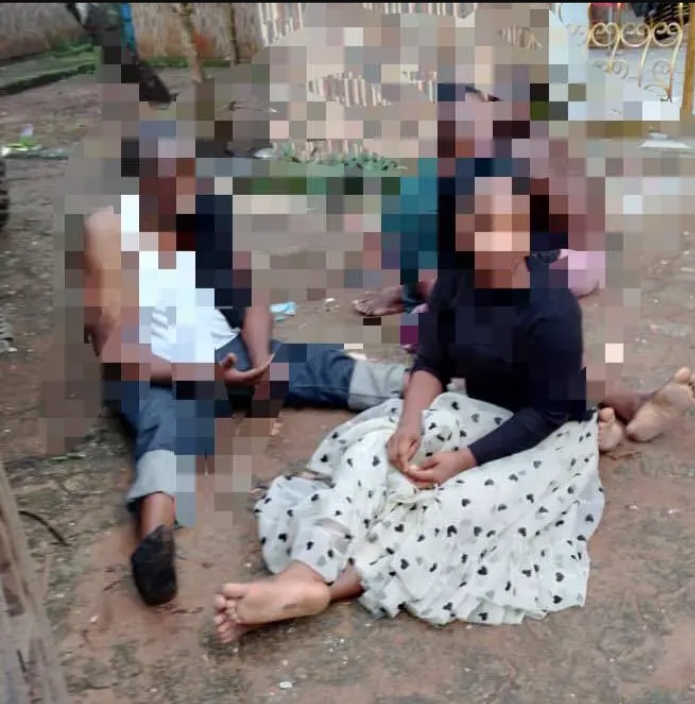
Chief Japhet Kennedy Igboanugo, a respected community figure in Ekwuru Isseke, Ihiala Local Government Area, was gruesomely killed alongside his two wives and daughter when heavily armed gunmen stormed his residence on May 22, 2025.
According to accounts from the community, the attackers arrived with precision, heading straight to his compound and unleashing violence that left the family and residents in shock.
The massacre sent waves of fear across Ihiala and surrounding communities, reinforcing growing concerns over targeted killings, armed raids, and the seeming helplessness of rural populations in the face of escalating violence.
In a statement released by the bereaved family, funeral rites for the victims will commence on April 8, 2026, with a Christian wake at their compound in Ekwuru Isseke. The final burial ceremony is scheduled for April 9, following a requiem mass in their honour.
The tragedy is not an isolated case. In recent years, communities across Anambra, particularly in Ihiala, Orumba, and parts of Nnewi South, have witnessed a disturbing surge in violent attacks attributed to armed groups, criminal gangs, and separatist-linked militancy.
What once began as isolated security breaches has evolved into a pattern of brazen invasions, assassinations, and mass killings.
Residents say the situation has been worsened by a mix of factors: weak intelligence coordination, under-policing of rural areas, and the proliferation of illegal arms. In some cases, entire communities have been left to rely on local vigilante groups, often poorly equipped to confront heavily armed assailants.
Security agencies have repeatedly assured the public of intensified operations in the region, yet incidents like the killing of the Igboanugo family continue to raise troubling questions about response time, accountability, and the overall effectiveness of the security architecture.
For many in Ekwuru Isseke, the upcoming burial is more than a moment of mourning; it is a painful reminder of lives cut short and a community still living under the shadow of fear.
As the South-east grapples with this growing wave of violence, the question remains: how many more families must bury their own before security moves from promise to reality?