
By Amah
Kindly share:
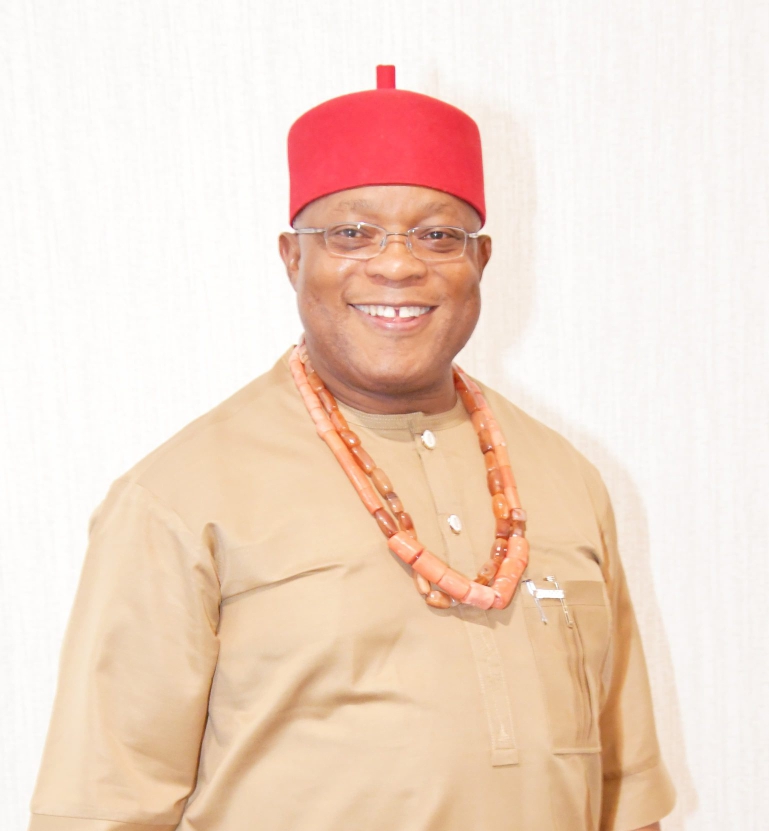
The African Democratic Congress (ADC) represents a credible pathway to rescuing Nigeria from years of leadership failure and political stagnation, according to party chieftain Dr. Charles Chibuike Onyirimba.
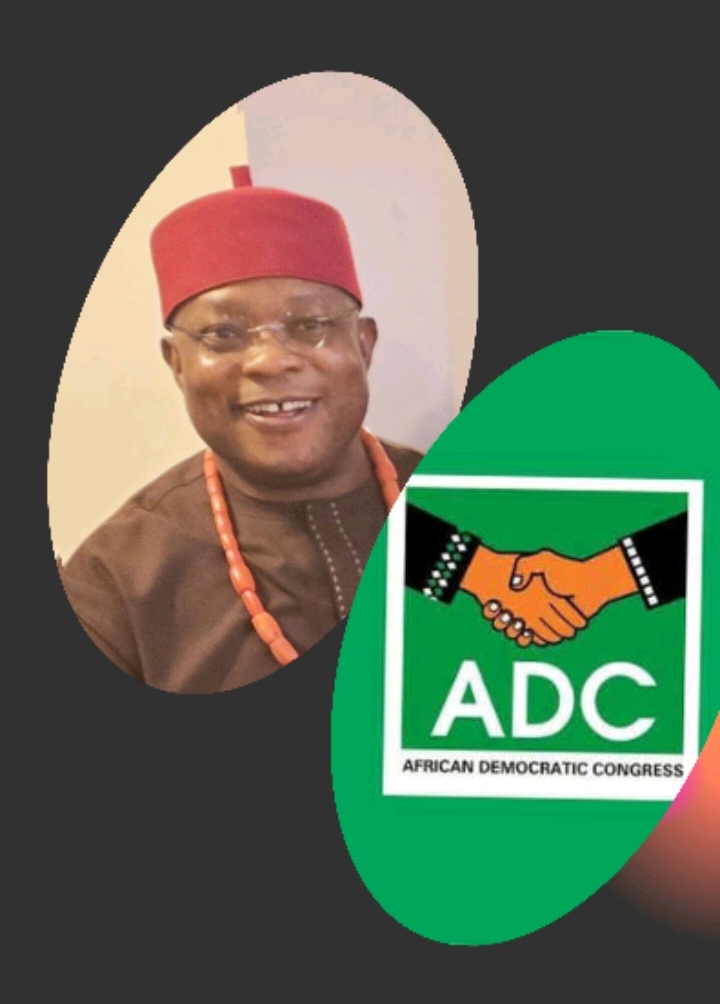
Addressing the people via a flyer, rallying citizens to participate in the ADC’s ongoing nationwide membership revalidation and registration exercise, Onyirimba described the exercise as a historic opening for Nigerians, particularly Imolites, to reclaim ownership of the political process and redirect the country’s future.
He said the registration drive goes far beyond routine party administration, explaining that it is a carefully designed strategy to rebuild grassroots structures, deepen internal democracy, and position the ADC for a strong and credible outing in the 2027 general elections.
“This is not just about registering names,” the United States’ trained attorney said. “It is about building a people-driven political movement, one that truly reflects the hopes and frustrations of ordinary Nigerians.
“ ADC is deliberately reconnecting with the grassroots to ensure that power flows from the people upward.”
According to him, the exercise is also aimed at energising existing members while attracting new supporters across wards and local government areas, laying a solid foundation for the party’s forthcoming ward and state congresses, as well as its national convention.
Onyirimba commended the ADC’s national leadership, led by former Senate President, Senator David Mark, alongside the National Working Committee, for what he termed “clear-headed planning and uncommon discipline” in managing the coalition party at a time of national uncertainty.
Onyirimba noted that the structured timetable for congresses and the national convention reflects seriousness of purpose, internal cohesion, and respect for democratic norms, qualities he said are increasingly absent in many of Nigeria’s dominant political parties.
“The orderly planning of our congresses and convention shows that ADC is not a platform of convenience,” he said. “It is a serious political organisation preparing not just to win elections, but to govern responsibly.”
Presenting the ADC as a genuine alternative for national renewal, Onyirimba argued that Nigeria’s deepening challenges, ranging from insecurity and economic stagnation to decaying infrastructure and mass unemployment, are the direct outcome of sustained leadership failure.
He attributed the country’s prolonged crisis to what he described as a persistent deficit of competence, vision, and accountability across successive administrations.
“Nigeria’s challenges have endured not because solutions are lacking,” he said, “but because leadership capacity has been missing. ADC is offering Nigerians a credible rescue pathway, anchored on responsible governance, economic revival, and infrastructural transformation.”
Calling on democracy-loving and development-minded citizens to register at their respective electoral wards, Onyirimba stressed that real change can only emerge when citizens overcome voter apathy and actively take charge of the political process.
Beyond the mobilisation drive, Onyirimba’s growing visibility has reignited political conversations across Imo North (Okigwe) Senatorial Zone, where he is widely seen as a long-awaited political figure capable of providing effective representation.
For years, constituents in the zone have openly courted the respected attorney, viewing him as an articulate and credible bridge between national reformist ideals and local aspirations.
However, Onyirimba has remained characteristically measured, neither confirming nor denying any immediate electoral ambition, even as grassroots support continues to gather momentum.
Political observers say his central role in galvanising ADC membership has further strengthened perceptions of him as a unifying force between national reform politics and Okigwe’s local political yearnings.
In a broader appeal, Onyirimba urged ADC supporters across Imo State, the South-east, and neighbouring states to fully participate in the ongoing registration and revalidation exercise, describing it as a gateway to shaping the party’s future leadership and policy direction.
“This exercise gives every member a real stake in the movement to enthrone true democratic governance in Nigeria,” he said. “The future belongs to citizens who are ready to organise, participate, and lead.”
As the ADC intensifies its nationwide grassroots mobilisation, attention is increasingly focused on how the exercise will translate into electoral strength, and whether influential figures like Onyirimba will eventually answer the growing calls to take centre stage in the 2027 political contest.
However, political conversations across the zone have continued to gather momentum around Onyirimba’s role in the unfolding political realignment.
Observers note that whatever decisions he may eventually take, many constituents already view him as well-positioned to lift Okigwe from years of political obscurity into renewed relevance on the state and national stage. They argue that his national exposure, professional pedigree, and reformist posture have placed him in the public imagination as a bridge between Okigwe’s long-standing marginalisation and the limelight it has long sought, urging him to carefully weigh the growing yearnings of the people as the political season approaches.